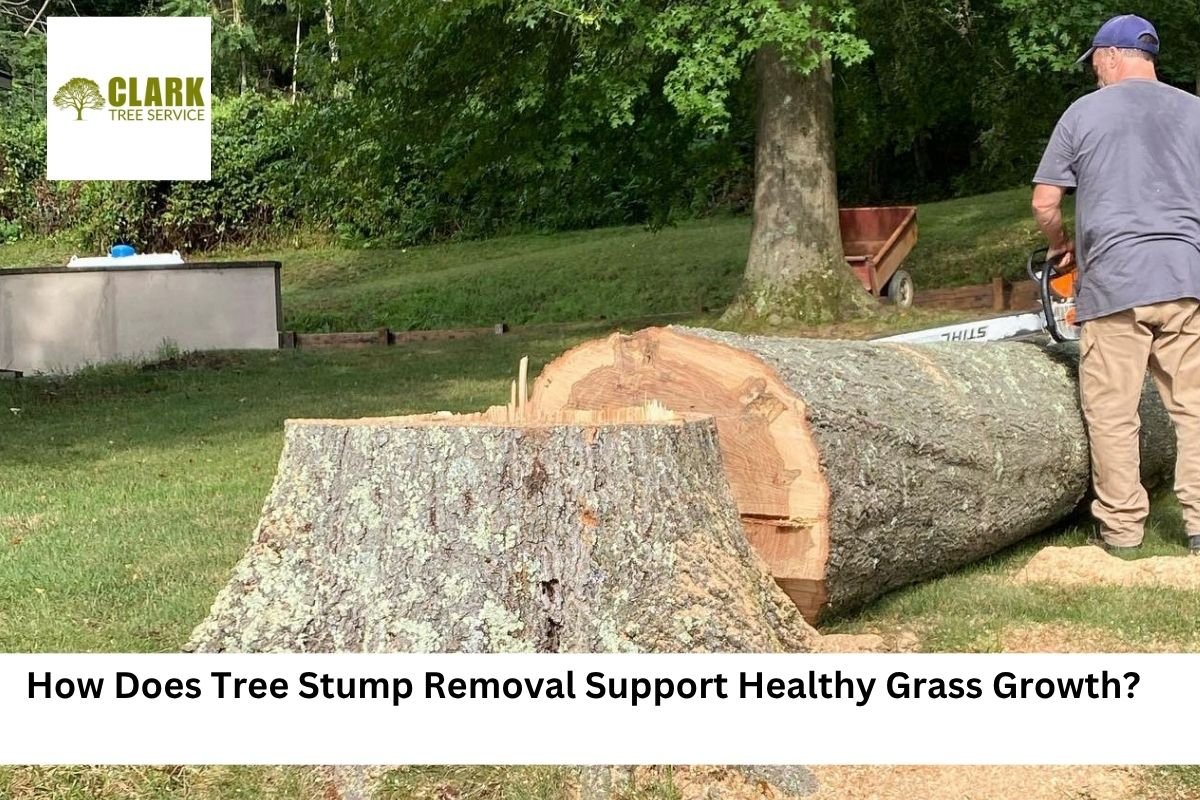
A beautiful lawn does more than improve curb appeal—it creates a healthy outdoor environment for families, pets, and landscaping features. However, many homeowners overlook one major obstacle that can quietly damage grass health: leftover tree stumps. After a tree is removed, the remaining stump often becomes a hidden problem beneath the surface. It can interfere with soil quality, attract pests, limit sunlight, and block proper grass development. Over time, this issue may lead to uneven turf, patchy grass, and poor lawn drainage.
Fortunately, professional tree stump removal helps restore the lawn’s natural balance and encourages healthier grass growth. By removing decaying wood and freeing underground space, homeowners can improve soil conditions and create an ideal environment for fresh grass to thrive. Whether you want a greener yard, smoother landscaping, or stronger turf, stump removal is an important step toward long-term lawn health and beauty.
Why Leftover Tree Stumps Harm Lawn Health
Tree stumps may seem harmless at first, especially if they sit quietly in the corner of the yard. However, they gradually create several lawn-related issues that negatively affect grass growth. One of the biggest concerns is nutrient competition. Even after a tree is cut down, its root system may continue absorbing moisture and nutrients from the surrounding soil. As a result, nearby grass struggles to receive the water and minerals it needs to remain green and healthy.
In addition, decaying stumps often attract fungi, insects, and wood-boring pests. These unwanted organisms can spread into nearby landscaping areas and weaken surrounding turf. Over time, the decomposition process changes the soil composition and creates uneven ground conditions. Grass growing around old stumps frequently appears thin, discolored, or patchy because the soil beneath it lacks balance and stability.
Another issue involves sunlight and airflow. Large stumps and exposed roots can block healthy lawn circulation, creating damp areas where moss and weeds thrive. This further reduces grass growth and causes sections of the yard to appear unhealthy or neglected.
How Tree Stump Removal Improves Soil Conditions
Healthy grass begins with healthy soil. When a stump remains in the yard, the surrounding soil often becomes compacted and nutrient-deficient. Professional stump removal eliminates this obstruction and allows the soil to recover naturally. Once the stump and major roots are removed, the ground can absorb water more effectively and support proper root development for new grass.
Additionally, removing old wood debris prevents fungal decay from spreading underground. Many homeowners do not realize that rotting stumps can increase harmful microbial activity in the soil. This imbalance limits oxygen flow and weakens lawn performance. After stump grinding or full stump extraction, the soil becomes easier to aerate and enrich with organic nutrients.
Another major advantage is improved grading. Lawn professionals can level the area after stump removal, creating a smooth surface that supports even grass growth. This process also reduces standing water problems, which are common around decomposing roots. As a result, grass receives consistent hydration instead of developing muddy or dry patches throughout the yard.
Better Root Expansion Encourages Stronger Grass
Grass requires room beneath the soil to establish healthy root systems. Unfortunately, old tree roots often occupy large underground spaces and restrict turf expansion. Even years after tree removal, buried roots can continue affecting lawn performance. They create physical barriers that prevent the grass roots from spreading evenly through the soil.
Once stump removal is completed, the lawn gains access to valuable underground space. Grass roots can then expand deeper and stronger, helping the lawn withstand heat, drought, and heavy foot traffic. Strong root systems also improve nutrient absorption, which supports greener and thicker grass throughout the year.
Furthermore, removing stumps allows landscapers to reseed or sod the area more effectively. Without leftover roots interfering beneath the surface, new grass establishes itself faster and develops a healthier appearance. Homeowners often notice dramatic improvements in lawn density after professional stump grinding because the turf no longer competes with hidden underground obstacles.
This process is especially important for properties planning lawn renovation projects, irrigation installation, or fresh landscaping upgrades.
Tree Stump Removal Helps Prevent Pest Infestations
One overlooked benefit of stump removal is pest prevention. Decaying wood naturally attracts termites, carpenter ants, beetles, and other insects. These pests thrive inside moist, rotting stumps and may eventually spread to nearby trees, gardens, or even homes. In many cases, homeowners discover infestations long after the damage has already begun.
When pests invade a yard, grass health can decline rapidly. Insects disturb soil conditions, damage root systems, and create unhealthy underground activity. Certain pests also attract predators that further disrupt the lawn ecosystem. As a result, turf may appear weak, uneven, or stressed.
Professional stump grinding eliminates the primary source of attraction for these insects. By removing the decaying material, homeowners reduce the likelihood of future infestations and create a cleaner outdoor environment. This also decreases fungal growth and mold development, both of which can damage surrounding vegetation.
Additionally, pest-free lawns are easier to maintain. Grass treatments, fertilization, and irrigation systems perform more effectively when the soil remains stable and healthy. Removing tree stumps, therefore, supports both lawn beauty and long-term property protection.
Improved Drainage Creates Healthier Grass
Poor drainage is another hidden problem caused by leftover stumps and roots. As stumps decay underground, they create hollow spaces that alter water movement throughout the yard. Some areas may become overly saturated while others dry out too quickly. This imbalance makes it difficult for grass to grow evenly.
Standing water around old roots often leads to fungal lawn diseases, weed growth, and soil erosion. Wet areas can also suffocate grass roots by limiting oxygen availability beneath the surface. Over time, homeowners may notice yellow patches, muddy sections, or thinning turf around the stump location.
Removing the stump restores natural drainage patterns and improves soil consistency. Lawn professionals can refill the area with nutrient-rich soil and regrade the surface for proper water runoff. This creates a healthier environment where grass receives balanced hydration.
Proper drainage also improves mowing conditions and prevents lawn equipment damage. A smoother, drier yard supports easier maintenance while promoting stronger grass growth during every season.
Stump Grinding Enhances Lawn Appearance
A healthy lawn should look clean, level, and visually inviting. Unfortunately, tree stumps create an unfinished appearance that negatively affects overall curb appeal. Even small stumps can make the yard seem neglected and reduce the beauty of surrounding landscaping features.
Stump grinding helps restore the lawn’s smooth and polished appearance. During this process, professionals use specialized equipment to grind the stump below ground level. Once completed, the area can be filled with fresh soil and reseeded with healthy grass.
This transformation significantly improves the lawn’s visual balance. Homeowners can finally enjoy a seamless green yard without obstacles interrupting the landscape design. Additionally, removing stumps opens more usable outdoor space for gardening, patios, pathways, or recreational activities.
Fresh grass growth also blends naturally with the rest of the lawn after stump removal. Instead of patchy or uneven areas, the yard develops a more uniform and attractive appearance that increases property value and outdoor enjoyment.
Why Professional Stump Removal Produces Better Results
Although some homeowners attempt DIY stump removal, professional services usually deliver safer and more effective outcomes. Tree stumps often extend deep underground with large root systems that are difficult to remove using household tools. Without proper equipment, incomplete removal may leave hidden roots behind that continue affecting grass health.
Professional stump removal experts understand how to protect surrounding landscaping while removing the stump efficiently. They use advanced stump grinders and excavation tools to minimize soil disruption and preserve nearby turf areas. This careful approach helps maintain lawn integrity during the removal process.
Experts also know how to restore the soil afterward. They can recommend proper reseeding techniques, lawn treatments, and soil amendments that encourage rapid grass recovery. In many cases, homeowners see healthier turf growth much faster after professional stump grinding compared to DIY methods.
Additionally, professionals help reduce safety risks. Hidden roots and unstable stumps can damage lawn equipment or create tripping hazards. Removing them properly creates a safer and more functional outdoor environment for families and visitors.
The Best Time to Remove Tree Stumps for Lawn Recovery
Timing plays an important role in successful lawn restoration after stump removal. While stumps can technically be removed year-round, certain seasons offer better conditions for grass recovery and soil preparation.
Spring and early fall are often ideal times for stump grinding because moderate temperatures support healthy grass growth. During these seasons, new seed establishes faster, and soil conditions remain easier to manage. Moisture levels are also more balanced, helping fresh turf roots develop properly.
Summer stump removal is still possible, but lawns may require extra watering afterward to prevent stress. On the other hand, winter removal can become challenging if the ground freezes deeply. However, removing hazardous stumps before spring landscaping projects may still provide long-term benefits.
Homeowners should also consider future lawn plans before scheduling stump removal. If the yard will undergo grading, sod installation, irrigation upgrades, or landscaping renovations, removing stumps first creates a stronger foundation for those improvements.
Long-Term Lawn Benefits of Removing Tree Stumps
Tree stump removal offers more than short-term visual improvements. It creates long-lasting benefits that support healthier lawns for years to come. Once the stump and roots are eliminated, the soil regains its natural balance and allows grass to thrive more efficiently.
Healthier grass often requires less maintenance over time because it develops stronger roots and better disease resistance. Lawns with proper drainage and nutrient distribution also respond better to fertilization and watering schedules. This can reduce overall lawn care costs while improving outdoor appearance.
Another long-term advantage is increased property value. Buyers typically prefer smooth, well-maintained yards without hazardous obstacles or decaying wood. A clean lawn signals proper landscape maintenance and enhances overall curb appeal.
Additionally, removing tree stumps prevents future problems before they develop. Homeowners avoid recurring pest infestations, fungal issues, and uneven ground conditions that can become expensive to repair later. Investing in professional stump removal, therefore, protects both lawn health and property quality over time.
Create a Greener Lawn With Professional Tree Stump Removal
A healthy lawn starts beneath the surface. While tree stumps may appear small, they can significantly impact soil quality, grass growth, drainage, and overall landscape health. Left untreated, old stumps create long-term challenges that prevent turf from reaching its full potential. Fortunately, professional tree stump removal helps eliminate these obstacles and restores the lawn’s natural growing environment.
By improving soil conditions, preventing pests, enhancing drainage, and creating space for root expansion, stump removal encourages greener, stronger, and more attractive grass. It also improves lawn safety, increases curb appeal, and supports future landscaping projects. Whether you recently removed a tree or inherited an old stump on your property, addressing the issue early can save time and money later.
If you want healthier grass and a cleaner outdoor space, professional stump grinding is a smart investment that delivers lasting lawn benefits for years to come.
FAQs
Does tree stump removal help grass grow faster?
Yes, removing a stump improves soil access, nutrient availability, and underground space for grass roots. This creates healthier conditions that support faster and stronger turf growth.
Can old tree roots damage my lawn?
Yes, leftover roots may block grass root expansion, affect drainage, and create uneven ground conditions. Over time, this can weaken lawn health and appearance.
Is stump grinding better than leaving a stump?
Absolutely. Stump grinding removes the visible stump and reduces decay-related problems like pests, fungi, and poor soil conditions that harm grass growth.
How long does it take for grass to grow after stump removal?
Most lawns begin showing new grass growth within a few weeks after reseeding and soil restoration, depending on weather conditions and lawn care practices.