Tree stumps may seem harmless at first glance, especially after a tree has already been removed. Many homeowners leave them behind because they believe the hard work is already done. However, an old stump sitting quietly in your yard can create several hidden problems over time. From pest infestations to safety hazards, these leftover pieces of wood can slowly damage your property and outdoor environment without obvious warning signs.
In many cases, property owners focus on lawn care, landscaping, or tree trimming while overlooking the long-term impact of stump neglect. Unfortunately, ignoring an aging stump can lead to expensive repairs, unhealthy soil conditions, and even risks to family members and visitors. Understanding the hidden dangers of old tree stumps helps homeowners make smarter landscaping decisions while protecting property value and curb appeal. Whether the stump is large or small, taking action early can save time, money, and frustration later.
Why Old Tree Stumps Become a Serious Property Problem
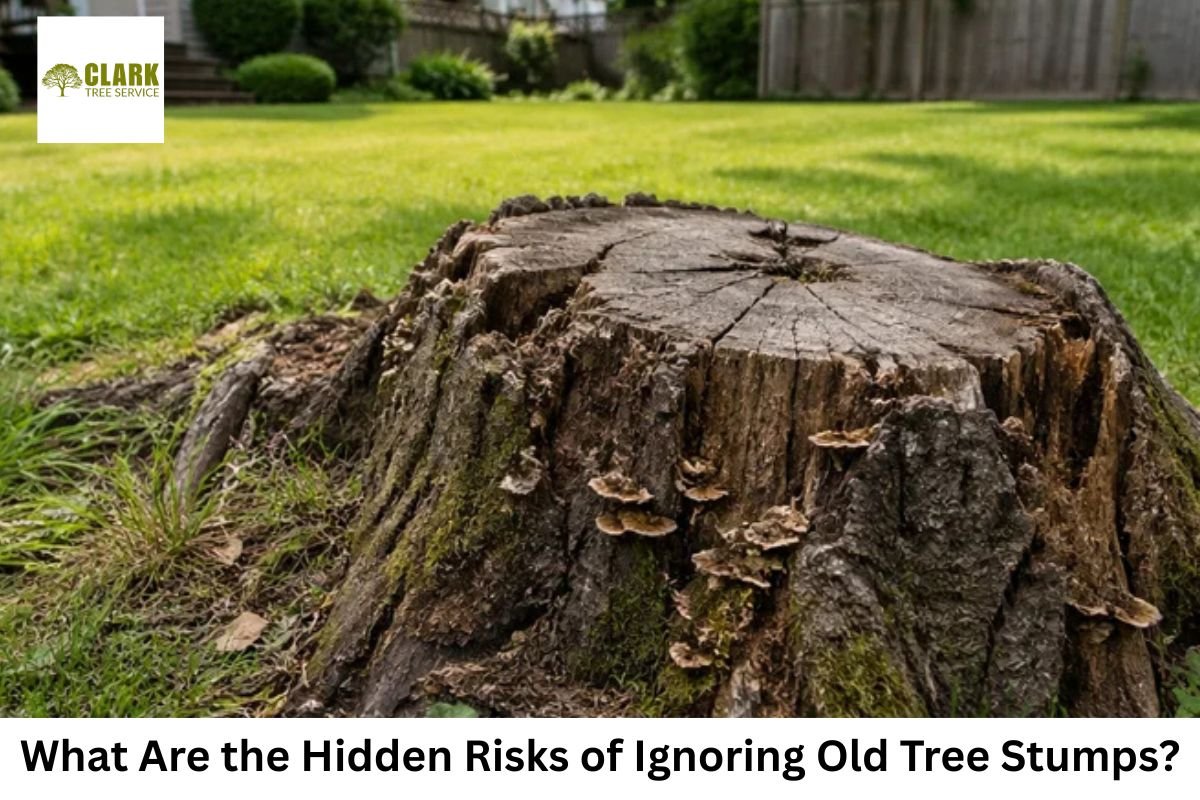
An old tree stump may appear stable, but its condition changes dramatically over time. As the wood begins to decay, it weakens internally and creates the perfect environment for insects, fungi, and moisture buildup. Homeowners often underestimate how quickly decomposition spreads underground. While the visible part of the stump may seem manageable, the root system below the surface can continue causing problems for years.
Additionally, decaying stumps can interfere with the overall appearance of your landscape. A beautiful lawn with flowers, shrubs, and walkways loses its charm when an old, rotting stump sits in the middle of the yard. Beyond aesthetics, neglected stumps can create hidden structural issues beneath the soil. Over time, the surrounding ground may shift or sink as roots decay underground. This instability can impact patios, sidewalks, driveways, and nearby landscaping features.
Another overlooked issue involves lawn maintenance. Mowing around a stump becomes frustrating and time-consuming. Grass growth around decaying wood is often uneven, which affects the health and appearance of your yard. Property owners who delay stump removal frequently end up spending more money on landscaping corrections later.
Hidden Pest Infestations Can Spread Quickly
One of the biggest dangers of ignoring old tree stumps is pest activity. Rotting wood naturally attracts insects searching for food and shelter. Termites, carpenter ants, beetles, and wood-boring insects commonly invade old stumps because damp wood creates ideal living conditions. Once pests establish themselves inside the stump, they can gradually spread to healthy trees, fences, sheds, and even your home.
Termites are especially concerning because they often remain unnoticed until serious structural damage occurs. A neglected stump located near a house can become a launching point for a termite infestation. Homeowners may spend thousands of dollars repairing wood damage that could have been prevented with timely stump grinding or removal.
Rodents and snakes may also hide around old stumps and overgrown roots. As decomposition continues, hollow spaces develop beneath the stump, creating shelter for unwanted wildlife. This increases safety concerns for children and pets playing outdoors. Keeping your yard free from decaying wood significantly reduces the chances of pest infestations spreading throughout the property.
Decaying Tree Stumps Can Harm Nearby Plants
Many people assume a dead stump simply remains inactive after tree removal. In reality, decomposition affects the surrounding soil and nearby vegetation. As the wood breaks down, fungi and diseases can spread through the underground root system. Nearby trees, flowers, and shrubs may begin showing signs of poor health because harmful organisms transfer through the soil.
Fungal growth is another major concern. Mushrooms commonly grow around rotting stumps because moisture and organic matter encourage fungal activity. While some fungi are harmless, others may spread disease to healthy trees and landscaping features. Homeowners who invest heavily in landscaping may unknowingly risk damaging their entire yard by leaving one infected stump untreated.
In addition, old stumps compete for nutrients during decomposition. The process temporarily changes soil composition and reduces nutrient availability for surrounding plants. Grass near the stump may appear patchy, discolored, or weak. Over time, your lawn may require extra fertilization and restoration work to recover from the hidden effects of stump decay.
Safety Hazards Often Go Unnoticed
Old tree stumps create serious tripping hazards, especially in yards where grass grows over exposed roots. Children running through the yard, guests walking at night, or homeowners mowing the lawn can easily trip over hidden stump edges. Injuries caused by overlooked stumps are more common than many people realize.
The danger becomes even greater when the stump begins to decay internally. Weak wood can collapse unexpectedly under pressure, creating unstable ground conditions. This is particularly risky near walkways, patios, playground areas, or outdoor gathering spaces. If someone becomes injured because of an ignored hazard on your property, liability concerns may also arise.
Furthermore, lawn equipment can suffer costly damage when hitting exposed roots or hidden stump remnants. Mowers, trimmers, and landscaping tools are vulnerable to impact damage caused by leftover wood beneath the grass. Repeated repairs and maintenance expenses quickly add up over time. Removing old stumps helps create a safer and more functional outdoor space for everyone.
Tree Stumps Reduce Curb Appeal and Property Value
Curb appeal matters more than many homeowners think. An attractive and well-maintained landscape creates a strong first impression for visitors, neighbors, and potential buyers. Unfortunately, old stumps immediately make a property appear neglected, even if the rest of the yard looks clean and organized.
Homebuyers often notice landscaping problems during property tours. A decaying stump may raise concerns about hidden pest infestations, poor yard maintenance, or future landscaping costs. In competitive real estate markets, small details can influence purchasing decisions significantly. Removing unsightly stumps improves the overall appearance of the property while increasing visual appeal.
In addition, old stumps limit landscaping opportunities. They take up valuable yard space that could otherwise be used for patios, gardens, outdoor seating, or lawn expansion. Property owners who plan future outdoor upgrades often discover that old roots complicate excavation and construction projects. Investing in professional stump grinding creates a cleaner foundation for future landscaping improvements.
Ignoring Stumps Can Lead to Unwanted Tree Growth
Many homeowners are surprised when small shoots begin growing around an old stump months after tree removal. Certain tree species continue attempting to regenerate through their root systems. These sprouts may appear harmless initially, but they can quickly spread throughout the yard if left untreated.
Uncontrolled sucker growth drains nutrients from the soil and creates additional maintenance work. Constant trimming becomes necessary to prevent overgrowth, which increases long-term landscaping labor. Some regrowing roots may even interfere with underground utility lines, irrigation systems, or nearby hardscaping features.
Additionally, young shoots connected to decaying roots are often weak and unhealthy. They rarely grow into strong trees and may eventually become hazardous themselves. Professional stump removal eliminates the root system, preventing unwanted regrowth and protecting the surrounding landscape from further disruption.
Moisture Problems and Soil Damage May Increase
Old tree stumps naturally retain moisture as they decompose. This constant dampness affects the surrounding soil and may create drainage issues throughout the yard. Areas around neglected stumps often become soft, muddy, or uneven after rainfall because decomposing roots absorb and release water differently than healthy soil.
Excess moisture also encourages mold, mildew, and fungal development. In humid climates, this can create unpleasant odors and unhealthy outdoor conditions. If the stump sits near a home’s foundation, moisture retention may even contribute to water-related structural concerns over time.
Another hidden problem involves soil collapse. As underground roots decay, empty pockets form beneath the surface. Eventually, sections of the lawn may sink unexpectedly, creating uneven terrain and drainage problems. Repairing damaged soil often requires filling, grading, and reseeding affected areas. Removing the stump early minimizes the risk of long-term ground instability.
Professional Stump Removal Offers Long-Term Benefits
Professional stump grinding and removal provide far more than cosmetic improvement. Experts use specialized equipment to eliminate both the visible stump and portions of the underground root system safely. This process reduces pest risks, prevents regrowth, and restores the overall health of your landscape.
Professional services also save homeowners significant time and physical effort. Attempting DIY stump removal can be dangerous without proper equipment or experience. Large roots are difficult to remove manually, and improper techniques may damage nearby landscaping or underground utilities. Hiring professionals ensures the job is completed efficiently and safely.
In addition, stump removal opens new opportunities for landscaping upgrades. Homeowners can replant grass, install garden beds, expand patios, or improve outdoor functionality once the stump is removed. A clean, level yard creates a healthier and more visually appealing outdoor environment for years to come.
Signs It’s Time to Remove an Old Tree Stump
Some homeowners delay stump removal because they are unsure whether the stump is truly causing problems. However, several warning signs indicate immediate attention may be necessary. Visible decay, fungal growth, insect activity, and soft wood are strong indicators that the stump is deteriorating rapidly.
Frequent lawn damage around the stump area also signals underground issues. If grass struggles to grow nearby or the soil begins sinking, the root system may already be decomposing extensively. Likewise, recurring tree sprouts indicate the stump remains biologically active and capable of spreading unwanted growth.
Homeowners should also pay attention to pest activity around the yard. Seeing termites, carpenter ants, or rodents near a stump often means the decaying wood has become a nesting site. Acting quickly prevents the infestation from spreading further into the property. Early stump removal helps avoid larger landscaping and structural problems later.
Protect Your Landscape Before Small Problems Grow
Ignoring an old tree stump may seem harmless initially, but the hidden risks become more serious with time. Decaying stumps attract destructive pests, damage nearby plants, create safety hazards, and reduce the overall value of your property. What begins as a small landscaping issue can eventually turn into expensive repairs and long-term outdoor maintenance challenges.
Removing old stumps improves both the health and appearance of your yard while preventing future complications. It creates a safer environment for children, pets, and visitors while giving homeowners more flexibility for landscaping projects. Professional stump grinding also eliminates underground roots that can continue causing damage beneath the surface. Instead of waiting for problems to grow worse, addressing old stumps early helps maintain a cleaner, healthier, and more attractive outdoor space. A proactive approach today can save significant time, stress, and money in the future.
FAQs
Can an old tree stump attract termites?
Yes, old and decaying tree stumps commonly attract termites because moist wood provides an ideal food source and shelter. Over time, termites may spread from the stump to nearby structures.
Is stump grinding better than leaving the stump alone?
In most cases, stump grinding is the better option because it removes potential safety hazards, prevents pest infestations, and improves the appearance and usability of your yard.
How long does it take for a tree stump to decay naturally?
Natural stump decay can take several years, depending on the tree species, stump size, moisture levels, and climate conditions. Some stumps may remain intact for over a decade.
Can tree roots continue growing after the tree is removed?
Yes, some tree species continue producing shoots and sucker growth from the remaining root system after the tree has been cut down, which can create additional landscaping problems.