Pruning is one of the most important practices for maintaining healthy, attractive, and long-lasting plants. Whether you are caring for shrubs, trees, flowering plants, or hedges, proper pruning encourages stronger growth, improves appearance, and protects plants from disease. However, many homeowners feel unsure about where to cut, when to prune, or how much trimming is necessary. Incorrect pruning can weaken plants, reduce flowering, and even create long-term damage.
A well-planned pruning routine improves the beauty of your landscape and supports healthier plant development throughout the year. From increasing sunlight exposure to removing damaged branches, pruning plays a major role in professional landscaping maintenance. In this complete guide, you’ll learn everything you need to know about pruning, including its benefits, techniques, timing, tools, and common mistakes to avoid. Whether you’re a beginner or an experienced gardener, understanding proper pruning methods can transform the health and appearance of your outdoor space.
Why Pruning Is Essential for Healthy Plant Growth
Pruning is much more than simply cutting branches. It is a strategic landscaping practice that improves plant health and encourages balanced growth. When plants become overcrowded with dead, damaged, or diseased branches, they struggle to receive proper airflow and sunlight. This weakens the overall structure and increases the risk of pests and plant diseases.
By removing unnecessary growth, pruning allows nutrients and energy to focus on stronger branches and healthier foliage. As a result, plants become more vibrant, productive, and visually appealing. Trees and shrubs that are pruned regularly often grow stronger root systems and develop a more balanced shape.
Another important benefit of pruning is safety. Weak or overgrown branches can become hazardous during storms or high winds. Proper pruning reduces the risk of falling limbs and protects nearby structures, vehicles, and walkways. This makes pruning an essential part of long-term landscape maintenance for both residential and commercial properties.
Understanding the Different Types of Pruning
There are several types of pruning techniques, and each serves a different purpose in landscaping care. Understanding these methods helps homeowners choose the right approach for their plants and trees.
One common method is maintenance pruning, which focuses on removing dead or unhealthy branches. This type of pruning keeps plants healthy and prevents disease from spreading throughout the landscape. It is often performed regularly throughout the year to maintain plant appearance and structure.
Another technique is thinning, which removes selected branches to improve airflow and light penetration. Thinning is especially beneficial for dense shrubs and mature trees because it reduces overcrowding while maintaining a natural shape.
Reduction pruning is used to decrease the overall size of a plant without harming its structure. This method is helpful when trees or shrubs grow too close to buildings, utility lines, or outdoor living spaces. Proper reduction pruning preserves the plant’s health while controlling excessive growth.
The Best Time of Year for Pruning
Timing is one of the most important factors in successful pruning. Different plants have unique growth cycles, so pruning at the wrong time can reduce flowering, weaken growth, or expose plants to disease.
For many trees and shrubs, late winter or early spring is considered the ideal time for pruning. During this dormant period, plants experience less stress, and cuts heal more efficiently before new growth begins. Pruning during dormancy also makes it easier to see branch structure without dense foliage blocking visibility.
Flowering plants require more careful timing. Spring-blooming shrubs should usually be pruned after flowering because they develop buds on old wood. In contrast, summer-flowering plants are often pruned in late winter since they bloom on new growth.
Additionally, dead or hazardous branches can be removed at any time of year if they pose a safety risk. Understanding seasonal pruning schedules helps maintain healthy landscapes while maximizing plant beauty and productivity.
Essential Tools Used for Professional Pruning
Using the correct pruning tools is critical for clean cuts and healthy plant recovery. Dull or improper tools can damage branches, tear bark, and increase the risk of disease.
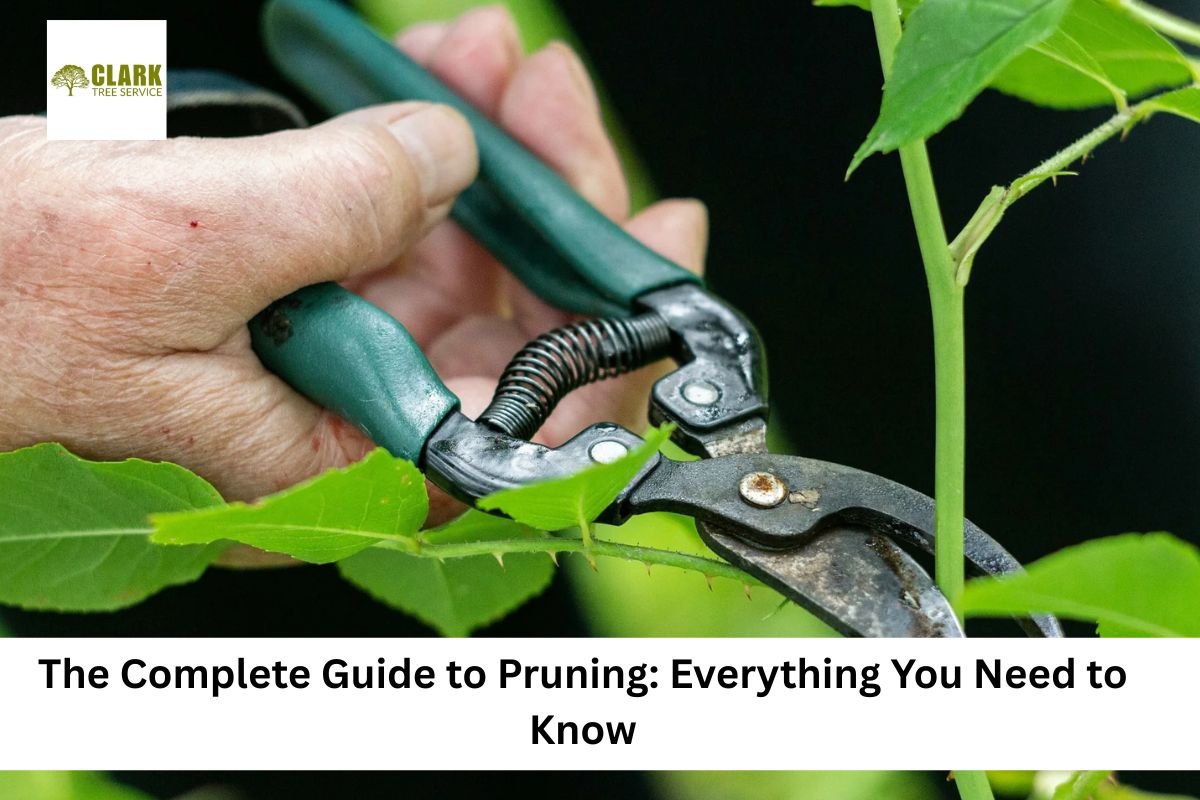
Hand pruners are commonly used for trimming small branches and stems. These tools provide precise cuts and are ideal for flowers, shrubs, and young plants. Loppers are designed for thicker branches and offer greater cutting power through longer handles.
For larger limbs, pruning saws are often necessary. Professional landscapers may also use pole pruners to reach high branches safely without climbing trees. Landscapers often use powered pruning equipment for efficiency and precision in large-scale projects.
Proper tool maintenance is equally important. Clean and sharp tools reduce stress on plants and create smoother cuts that heal faster. Disinfecting tools between uses also helps prevent the spread of fungal infections and plant diseases throughout the landscape.
How Proper Pruning Improves Landscape Appearance
One of the biggest reasons homeowners invest in pruning services is to improve curb appeal and landscape beauty. Overgrown plants can make a property look neglected and unorganized, while professionally pruned landscapes appear clean, balanced, and inviting.
Pruning helps shape trees and shrubs into more attractive forms while maintaining their natural growth patterns. Structured trimming enhances symmetry and allows landscaping features to stand out more clearly. This creates a polished and professionally maintained outdoor environment.
Additionally, pruning encourages healthier flowering and fuller foliage. Many flowering shrubs produce more blooms after proper pruning because energy is redirected toward productive growth. As a result, landscapes become more colorful, vibrant, and visually appealing throughout the growing season.
Well-maintained landscaping also increases property value. A neat and healthy outdoor space creates a strong first impression and enhances the overall attractiveness of residential and commercial properties alike.
Preventing Plant Diseases Through Pruning
Pruning plays a major role in disease prevention and overall plant protection. Dead or infected branches often become entry points for pests, bacteria, and fungal diseases. Removing these problem areas early helps prevent infections from spreading throughout the plant.
Improved airflow is another important benefit. Dense vegetation traps moisture, creating ideal conditions for mold, mildew, and fungus growth. Strategic pruning opens the canopy and allows air circulation to keep plants drier and healthier.
Sunlight exposure also increases after pruning. Many plants require proper sunlight penetration to maintain strong growth and resist disease naturally. Healthier plants are better equipped to recover from environmental stress and pest damage.
Regular inspections during pruning sessions allow landscapers to identify early signs of disease before they become severe. This proactive approach protects the long-term health and stability of the entire landscape.
Common Pruning Mistakes Homeowners Should Avoid
Although pruning offers many benefits, improper techniques can seriously damage plants. One of the most common mistakes is over-pruning. Removing too much foliage at once places stress on plants and reduces their ability to produce energy through photosynthesis.
Another issue is topping trees, which involves cutting off large upper sections indiscriminately. This harmful practice weakens tree structure, encourages unstable growth, and increases disease vulnerability. Proper pruning should always preserve the plant’s natural shape and strength.
Using dull or dirty tools is another common error. Jagged cuts heal slowly and expose plants to infections. Homeowners should always use sharp, sanitized equipment for cleaner and safer pruning results.
Incorrect timing can also create problems. Pruning flowering shrubs at the wrong season may remove developing buds and reduce blooming potential. Understanding plant-specific pruning schedules is essential for maintaining healthy and productive landscapes.
Why Professional Pruning Services Are Worth Considering
While small pruning tasks may seem manageable, professional pruning services provide expertise that can protect both plants and property. Certified landscapers understand proper cutting techniques, plant biology, and safety procedures for different types of trees and shrubs.
Professional pruning improves plant health while reducing the risk of costly mistakes. Experts know how much growth to remove without damaging the plant’s structure or future development. They also recognize early signs of disease, pest infestations, and structural weakness.
Safety is another major advantage. Large trees and elevated branches can be dangerous for homeowners without proper equipment or experience. Professional crews use specialized tools and follow safety standards to complete pruning projects efficiently and securely.
In addition, professional landscaping services save time and ensure consistent results. Homeowners benefit from healthier landscapes, improved curb appeal, and long-term maintenance support that enhances the overall value of the property.
Wrap-Up: The Long-Term Value of Proper Pruning
Pruning is one of the most valuable practices for maintaining healthy, beautiful, and long-lasting landscapes. From improving plant growth and preventing disease to enhancing curb appeal and property safety, proper pruning offers both immediate and long-term benefits.
Understanding the right pruning techniques, tools, and timing helps homeowners make informed landscaping decisions while avoiding common mistakes. Whether you are caring for flowering shrubs, mature trees, or decorative hedges, regular pruning supports stronger growth and a more attractive outdoor environment.
Although some minor pruning tasks can be handled independently, professional pruning services provide expert care that protects plant health and landscape investments. With proper maintenance, pruning helps create outdoor spaces that remain vibrant, balanced, and visually impressive throughout every season.
FAQs
1. Why is pruning important for plants?
Pruning improves plant health, removes damaged branches, increases airflow, and encourages stronger growth and flowering.
2. When is the best time to prune trees and shrubs?
Late winter or early spring is often ideal, but timing depends on the specific plant type and blooming cycle.
3. Can over-pruning damage plants?
Yes, removing too much foliage can weaken plants, reduce growth, and increase stress or disease risk.
4. Should I hire professionals for pruning services?
Professional pruning is recommended for large trees, difficult cuts, and maintaining long-term plant health safely.