When a tree is removed, many property owners focus on clearing the visible trunk and branches while leaving the stump behind. However, an old tree stump can create more problems than most people realize. One of the most common issues is fungal growth. Decaying wood provides the perfect environment for fungi, mold, and other harmful organisms to thrive. Over time, these fungi can spread to nearby plants, trees, and even landscaping features, affecting the health and appearance of your property.
Tree stump grinding is one of the most effective solutions for eliminating these risks. By removing the remaining stump and reducing the amount of decaying wood in the ground, homeowners can significantly decrease the chances of fungal infestations. In addition, stump grinding improves yard safety, enhances curb appeal, and supports healthier soil conditions. Understanding the connection between tree stump removal and fungal prevention can help you make a smart decision for the long-term health of your landscape.
Understanding Why Tree Stumps Attract Fungal Growth
A tree stump may look harmless, but it quickly becomes a natural breeding ground for fungi once the tree is cut down. The remaining wood begins to decompose as moisture, oxygen, and microorganisms interact with it. This decomposition process creates an ideal environment for fungal spores to settle and multiply.
Fungi thrive in damp and nutrient-rich conditions. Since tree stumps retain moisture and contain organic material, they become highly attractive to mushrooms, molds, and wood-decaying fungi. As the stump continues to break down, fungal colonies can expand and spread throughout the surrounding soil. This process not only accelerates wood decay but can also threaten nearby healthy trees and shrubs if disease-causing fungi are present.
How Tree Stump Grinding Eliminates a Major Source of Decay
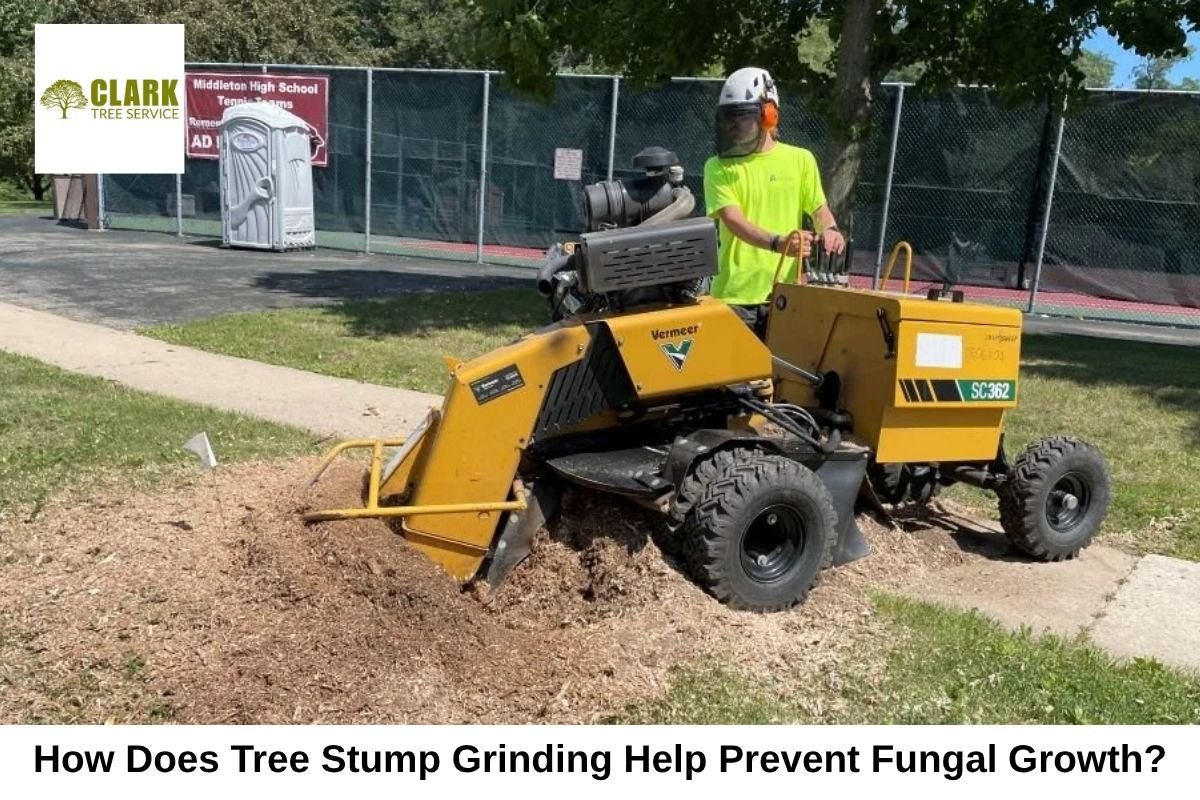
Tree stump grinding removes the visible stump by using specialized equipment that grinds the wood into small chips. This process significantly reduces the amount of decaying material left above ground. Without a large stump available to host fungal organisms, the chances of fungal colonization decrease dramatically.
Additionally, stump grinding interrupts the decomposition cycle that encourages fungal growth. Instead of allowing the stump to remain intact for years, the grinding process accelerates its breakdown into manageable mulch-like material. This minimizes the long-term moisture retention that fungi need to survive and reproduce. As a result, property owners create a healthier outdoor environment with fewer opportunities for fungal infestations.
Protecting Nearby Trees and Plants from Disease
One often-overlooked danger of leaving a tree stump in place is the potential spread of fungal diseases to surrounding vegetation. Certain fungi can travel through root systems or release airborne spores that infect healthy plants and trees nearby.
By removing the stump, homeowners reduce a significant source of infection. Healthy trees are less likely to encounter harmful pathogens when decaying wood is eliminated from the landscape. This is especially important in residential properties with multiple trees, flower beds, or ornamental shrubs. Tree stump grinding serves as a proactive measure that helps maintain the overall health and vitality of the landscape while preventing future plant diseases.
Reducing Excess Moisture That Encourages Fungi
Moisture plays a critical role in fungal development. Tree stumps naturally absorb and retain water from rainfall, irrigation systems, and humidity. This constant moisture creates the perfect habitat for fungi, mold, and mildew to flourish.
After stump grinding, the remaining wood particles dry out much faster than a solid stump. The ground becomes better aerated, allowing moisture to disperse more effectively. Improved drainage and airflow make it difficult for fungi to establish colonies. Consequently, stump grinding contributes to a drier and healthier landscape environment that discourages unwanted fungal growth and related problems.
Improving Soil Health Through Stump Removal
Healthy soil is essential for maintaining beautiful lawns, gardens, and trees. Unfortunately, a decaying stump can negatively impact soil conditions over time. As fungi and microorganisms consume the wood, they compete with surrounding plants for nutrients and alter the soil’s natural balance.
Tree stump grinding helps restore healthier soil conditions by eliminating a major source of decay. Once the stump is removed, homeowners can replenish the area with fresh soil and organic matter if needed. This encourages beneficial microbial activity while reducing the presence of harmful fungi. The result is a more productive and balanced growing environment for grass, flowers, shrubs, and trees.
Preventing Pest Infestations Associated with Fungal Growth
Fungal growth and pest infestations often go hand in hand. Decaying stumps attract insects such as termites, carpenter ants, beetles, and wood-boring pests. These insects are drawn to moist, decomposing wood and frequently establish colonies within old stumps.
When pests inhabit a stump, they can eventually spread to nearby structures, landscaping features, or healthy trees. Tree stump grinding removes this attractive habitat before infestations become severe. By eliminating both the decaying wood and the moisture-retaining environment, homeowners reduce the likelihood of pest-related damage while simultaneously preventing fungal growth from expanding throughout the property.
Enhancing Landscape Appearance and Property Value
Beyond health and safety concerns, old stumps can significantly affect the visual appeal of a property. Mushrooms and fungal growth surrounding a stump often create an unkempt appearance that detracts from an otherwise attractive landscape.
Stump grinding instantly improves the aesthetics of outdoor spaces. A clean, level yard appears more polished and well-maintained. This improvement can be particularly beneficial for homeowners preparing to sell their property. Potential buyers often appreciate landscapes that are free from hazards, decay, and visible signs of disease. Therefore, stump grinding contributes not only to fungal prevention but also to increased curb appeal and property value.
Long-Term Benefits of Professional Tree Stump Grinding
While some homeowners attempt DIY stump removal methods, professional stump grinding offers more reliable and efficient results. Experienced technicians use specialized equipment capable of removing stumps below ground level, ensuring a thorough job.
Professional services also help identify signs of fungal diseases, root decay, or pest activity that may not be immediately visible. By addressing these concerns early, property owners can avoid costly landscaping repairs in the future. Furthermore, professional stump grinding minimizes soil disturbance and allows the area to be restored quickly. This comprehensive approach provides lasting protection against fungal growth while supporting a healthier and more attractive outdoor environment.
Why Early Stump Removal Matters
Many property owners postpone stump removal because the stump seems harmless initially. However, fungal growth often begins long before visible mushrooms appear. Once fungi establish themselves, they can spread throughout the landscape and become more difficult to manage.
Removing the stump shortly after tree removal significantly reduces these risks. Early intervention eliminates a major food source for fungi and prevents extensive decay from developing. It also allows homeowners to reclaim usable yard space more quickly. Taking action sooner rather than later is one of the most effective ways to protect your property from future fungal problems and maintain a healthier landscape.
Wrap-Up
Tree stump grinding plays a vital role in preventing fungal growth and protecting the long-term health of your landscape. Decaying stumps create ideal conditions for fungi, mold, pests, and plant diseases to thrive. By removing the stump, homeowners eliminate a major source of moisture retention and organic decay, reducing the likelihood of fungal infestations spreading throughout the property. In addition to disease prevention, stump grinding improves soil health, enhances curb appeal, and supports the growth of healthy plants and trees. Whether you recently removed a tree or have an old stump lingering in your yard, investing in professional stump grinding is a smart step toward maintaining a safer, cleaner, and healthier outdoor environment for years to come.
Frequently Asked Questions
1. How long does it take for fungi to grow on a tree stump?
Fungal growth can begin within a few months after a tree is cut down, especially in moist environments. Visible mushrooms may appear as decomposition progresses.
2. Does stump grinding completely prevent fungal growth?
While no method can guarantee complete prevention, stump grinding significantly reduces fungal growth by removing the primary source of decaying wood.
3. Can fungi from a tree stump harm healthy trees?
Yes. Some fungal species can spread through roots, soil, or airborne spores and potentially infect nearby healthy trees and plants.
4. What happens to the wood chips after stump grinding?
The wood chips can be used as mulch, removed from the site, or incorporated into the soil depending on landscaping goals and preferences.