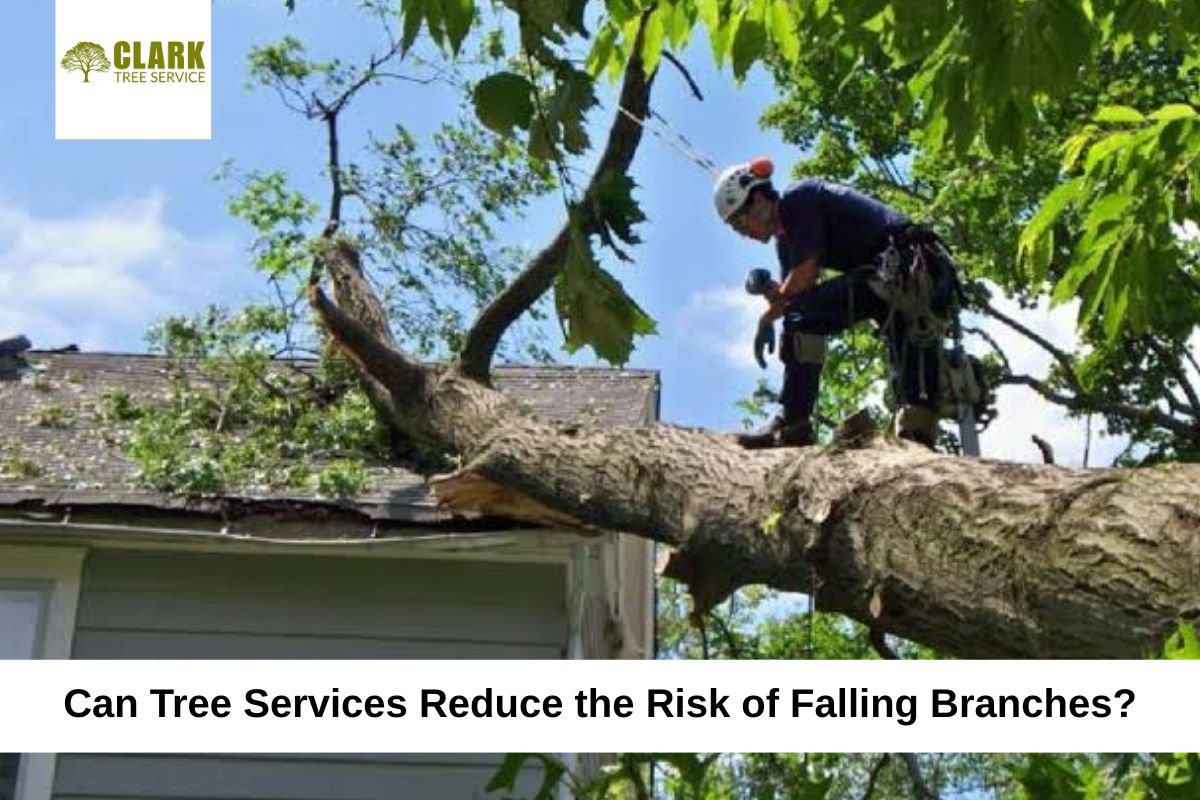
Trees are a valuable part of any landscape, offering shade, beauty, and environmental benefits. However, overgrown or damaged trees can become a safety concern, especially when weak branches begin to deteriorate. Falling branches can damage homes, vehicles, and power lines and even pose a serious risk to people. Fortunately, professional tree services help reduce these risks through routine inspections, pruning, and preventative care. Certified arborists identify structural weaknesses before they become hazardous and recommend the best solutions to keep trees healthy and stable. Whether you own a residential or commercial property, investing in regular tree maintenance is one of the most effective ways to protect your landscape while extending the lifespan of your trees.
Why Do Tree Branches Fall?
Tree branches rarely fall without a reason. Most branch failures occur because of disease, decay, storm damage, insect infestations, or natural ageing. Strong winds, heavy snow, and ice can also place excessive stress on weakened limbs, causing them to snap unexpectedly. Even healthy trees may develop heavy branches that become too large for the tree to support safely.
Improper pruning is another common cause of falling branches. Removing too many limbs or making incorrect cuts can weaken a tree’s structure over time. Additionally, poor soil conditions, root damage, and drought stress can reduce a tree’s overall strength. Regular inspections help identify these issues before they lead to dangerous branch failure.
How Professional Tree Services Help Prevent Falling Branches
Professional tree services focus on maintaining tree health while improving structural stability. Certified arborists inspect trees for weak branch unions, cracks, deadwood, fungal growth, and other signs of deterioration. By identifying these problems early, they can recommend corrective actions before branches become hazardous.
Tree pruning is one of the most effective preventative measures. Removing dead, damaged, or overcrowded branches reduces unnecessary weight and improves airflow throughout the canopy. Proper pruning also encourages healthy growth, helping trees develop stronger branch structures that are better equipped to withstand storms and heavy winds.
The Importance of Routine Tree Inspections
Routine tree inspections are essential for preventing unexpected branch failures. Many structural problems develop gradually and remain hidden until a severe storm exposes the weakness. During an inspection, arborists evaluate the trunk, branches, canopy, and root system to identify potential hazards that property owners may not notice.
These inspections are particularly important for mature trees located near homes, driveways, sidewalks, and commercial buildings. Trees growing close to power lines or public spaces should also be monitored regularly. Early detection allows property owners to address problems before they result in costly property damage or personal injury.
Tree Pruning Improves Safety and Tree Health
Pruning is more than simply trimming branches for appearance. It is a scientific process that removes unhealthy growth while improving the tree’s overall structure. Strategic pruning reduces the likelihood of branch failure by eliminating weak or diseased limbs before they break naturally.
In addition to improving safety, pruning enhances sunlight penetration and air circulation throughout the canopy. These improvements reduce moisture buildup, helping prevent fungal diseases that weaken branches. Regular pruning also promotes balanced growth, allowing trees to distribute weight more evenly and remain structurally sound for years.
Additional Tree Care Services That Reduce Risks
Besides pruning, several other tree care services contribute to safer, healthier trees. Cabling and bracing provide structural support for trees with weak branch unions or multiple trunks. These support systems reduce excessive movement during storms and help prevent major limb failures.
Tree health treatments also play an important role. Managing insect infestations, treating diseases, improving soil conditions, and applying proper fertilisation all strengthen trees from the inside out. In some situations, removing a severely damaged or dead tree may be the safest solution to eliminate future hazards and protect nearby property.
Why Hiring Professionals Is the Best Choice
Tree maintenance often involves working at significant heights with specialised equipment, making it dangerous for inexperienced individuals. Professional tree service companies have the training, equipment, and expertise needed to perform inspections and pruning safely while protecting both people and property.
Certified arborists understand how different tree species respond to pruning and structural support techniques. They follow industry best practices to ensure every cut promotes healthy growth rather than causing unnecessary stress. Hiring professionals also provides peace of mind, knowing your trees receive proper care designed to minimise future risks.
Wrap-Up
Yes, professional tree services can significantly reduce the risk of falling branches through routine inspections, expert pruning, structural support, and ongoing tree health care. Addressing small problems before they become major hazards helps protect your home, family, vehicles, and surrounding landscape. Healthy trees are naturally stronger and better able to withstand severe weather conditions, making regular maintenance a worthwhile investment. Whether you have mature shade trees or ornamental varieties, scheduling periodic evaluations with a qualified arborist ensures your trees remain safe, attractive, and healthy throughout the year. Proactive tree care not only prevents accidents but also extends the lifespan and beauty of your landscape.
Frequently Asked Questions
1. How often should trees be inspected?
Most trees should be professionally inspected every one to three years, or immediately after severe storms.
2. Does pruning prevent branches from falling?
Yes. Proper pruning removes weak, dead, and damaged limbs, reducing the risk of unexpected branch failure.
3. Can diseased trees be saved?
Many diseased trees can be treated if the problem is identified early through professional inspection and proper care.
4. When is the best time to schedule tree maintenance?
Late winter and early spring are often ideal, but inspections and hazard removal should be performed whenever safety concerns arise.