Tree stump grinding is often overlooked after tree removal, but it actually plays a major role in protecting your yard from pest problems. When a tree is cut down, the remaining stump can slowly decay underground and above ground, creating the perfect environment for insects to thrive. Many homeowners assume that once the tree is gone, the problem is solved—but the stump can quietly attract termites, ants, beetles, and even fungal growth. That’s where stump grinding comes in. Breaking the stump down into wood chips and removing most of its structure below ground level, it helps eliminate one of the biggest hidden pest attractants in your landscape. In this guide, we’ll explore whether stump grinding really prevents pest infestations and how effective it is in keeping your outdoor space safe and healthy.
What Tree Stump Grinding Actually Does to the Remaining Wood
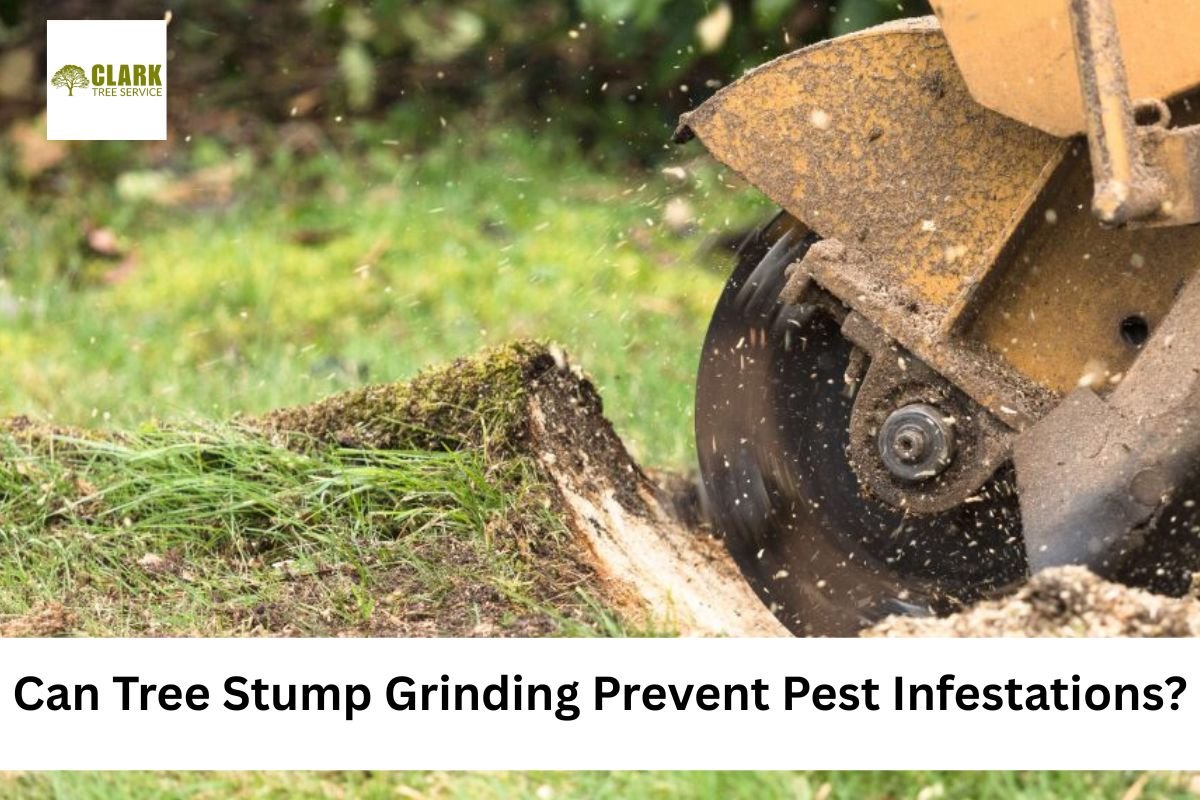
Tree stump grinding is a mechanical process that uses specialized equipment to shred the stump into small wood chips. Instead of digging out the entire root system, the machine grinds the stump down several inches below the soil surface. This makes the area smoother and easier to replant or landscape afterward. The remaining wood gradually decomposes, but in a much less concentrated form compared to a full stump.
Additionally, stump grinding helps remove the visible structure that most pests are attracted to. While some roots remain underground, the main food source and shelter—the stump itself—is significantly reduced. This limits the ability of insects to establish colonies in one centralized location. As a result, stump grinding becomes a practical and efficient way to reduce pest-friendly conditions in your yard without requiring full excavation.
Why Tree Stumps Naturally Attract Pests Over Time
Tree stumps create a slow-decaying organic environment that many pests find ideal. As the wood begins to break down, it retains moisture and becomes softer, making it easier for insects to burrow inside. Termites are especially drawn to this type of environment because it provides both food and shelter in one place.
Moreover, ants, beetles, and fungi also take advantage of decaying stumps. These organisms not only live in the wood but can also spread to nearby healthy plants or even structures if left unchecked. Over time, what seems like a harmless stump can turn into a growing pest hub. This is why ignoring a stump after tree removal often leads to unexpected infestations later on.
How Stump Grinding Helps Reduce Pest Infestations
Stump grinding significantly reduces pest risks by removing the main structure that insects depend on. When the stump is ground down, there is no longer a large, intact food source for pests to inhabit. Instead, the remaining wood chips are spread out and exposed to air and soil, which speeds up decomposition and makes the environment less attractive to insects.
In addition, stump grinding disrupts the habitat that pests rely on for nesting. Many insects prefer stable, enclosed spaces, and grinding eliminates that structure. While it does not always remove every underground root, it breaks the cycle of infestation by removing the primary breeding ground. This makes it one of the most effective preventative steps in managing pest activity after tree removal.
Can Stump Grinding Completely Eliminate Pest Problems?
While stump grinding is highly effective, it is not a guaranteed solution to all pest issues. Some roots remain underground and can still decay over time, which may attract a small number of insects. However, the risk is significantly lower compared to leaving a full stump intact in your yard.
Additionally, environmental factors such as moisture, soil type, and nearby vegetation can still influence pest activity. That said, stump grinding drastically reduces the chances of a major infestation. In most cases, it shifts the environment from highly attractive to pests to relatively low-risk, which is often enough for long-term yard protection.
Health Benefits for Your Soil and Surrounding Landscape
Beyond pest control, stump grinding also improves overall soil health. As the ground wood chips break down, they naturally return nutrients to the soil. This process helps improve organic matter content and supports future plant growth in the area where the stump once stood.
Furthermore, removing a decaying stump prevents uneven soil conditions and reduces the spread of fungal growth. Healthy soil conditions make it harder for pests to thrive in the long term. When combined with proper landscaping practices, stump grinding contributes to a cleaner, more balanced outdoor environment.
Why Professional Stump Grinding Works Better Than DIY Methods
While DIY stump removal methods exist, professional stump grinding offers far better results in terms of safety and effectiveness. Professionals use powerful equipment that can grind stumps deeper and more evenly than most rental machines. This ensures that the majority of pest-attracting material is properly eliminated.
In addition, trained experts understand how to manage underground root systems and assess potential pest risks. They can also advise on whether additional treatment is needed to prevent infestations. This level of precision reduces the chances of pests returning and helps maintain long-term yard protection.
Long-Term Impact of Stump Grinding on Pest Control
The long-term effect of stump grinding is a noticeable reduction in pest activity around your property. Without a concentrated food source, insects are less likely to establish colonies in your yard. Over time, this creates a healthier balance in your landscape ecosystem.
Moreover, eliminating stumps improves visibility and allows homeowners to monitor their yards more effectively. Early detection of any pest activity becomes easier when there are no hidden decaying stumps present. This proactive advantage makes stump grinding a valuable part of ongoing property maintenance.
Final Thoughts
Tree stump grinding is not just about improving appearance—it plays a key role in preventing pest infestations and maintaining a healthy yard. Removing the primary source of decaying wood, it reduces the conditions that attract termites, ants, beetles, and other unwanted insects. While it may not eliminate every underground risk completely, it significantly lowers the chances of serious infestations. Combined with proper lawn care and occasional inspections, stump grinding is one of the most effective steps homeowners can take after tree removal. In the long run, it helps protect both your landscape and your property from hidden pest-related damage.
Frequently Asked Questions
1. Does stump grinding completely stop pests from coming back?
It greatly reduces the risk, but it may not eliminate every pest since some roots remain underground and slowly decompose.
2. What pests are most attracted to tree stumps?
Termites, ants, beetles, and fungi are the most common organisms attracted to decaying stumps.
3. Is stump grinding better than leaving the stump in place?
Yes, grinding is much better because it removes the main food source and reduces pest habitats significantly.
4. How deep does stump grinding go?
Typically, stump grinding goes several inches below ground level, enough to remove most of the visible stump and reduce regrowth.
5. Can pests spread from a stump to my house?
Yes, especially termites and ants. That’s why removing or grinding stumps is important for property protection.