Tree removal is one of the most dangerous tasks in landscaping and property maintenance. It involves heavy equipment, unpredictable tree behavior, height-related risks, and power lines—all of which can turn a simple job into a serious hazard if not handled correctly. That’s why professional tree removal services follow strict safety rules and industry standards to protect workers, property, and nearby people. These rules are not optional; they are essential for preventing accidents and ensuring the job is completed efficiently. In this guide, we’ll break down the key safety rules that apply to tree removal services and explain why they matter so much for every project.
Why Safety Rules Are Critical in Tree Removal Work?
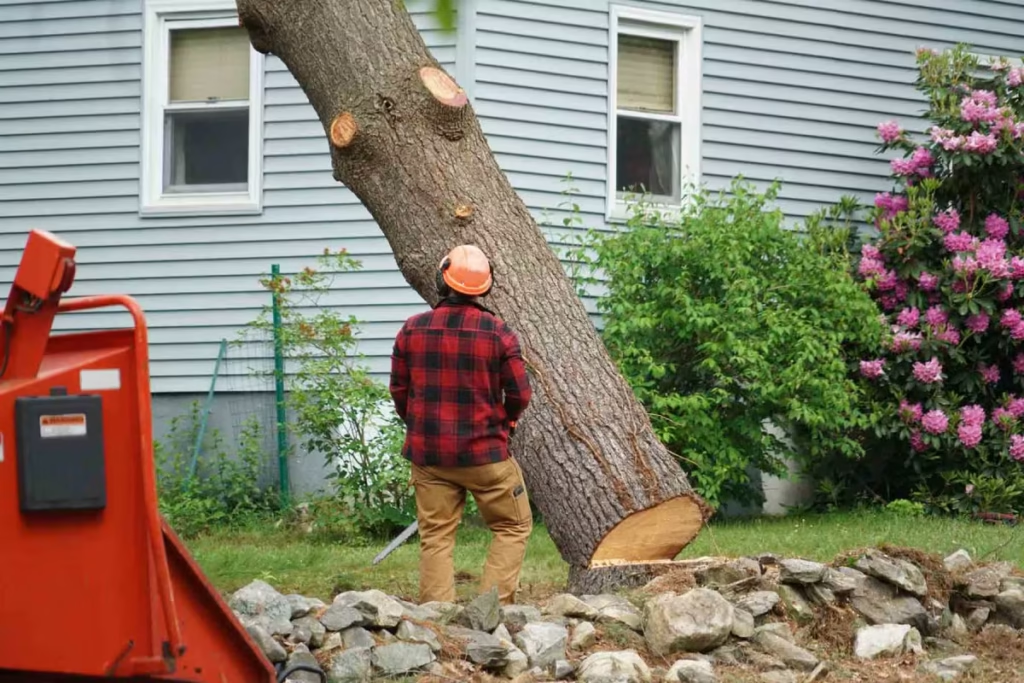
Tree removal is not just about cutting wood—it involves controlling the direction of a falling tree, managing heavy branches, and operating powerful machinery. Without proper safety rules, even a small mistake can lead to serious injuries or property damage. Trees can be unpredictable, especially if they are diseased, leaning, or damaged by storms.
Additionally, safety rules help create a structured work environment. When every step is planned and followed carefully, the risk of accidents decreases significantly. Professional tree removal teams rely on these guidelines to coordinate their work, communicate effectively, and ensure that every job is completed without unnecessary danger.
Mandatory Use of Personal Protective Equipment (PPE)
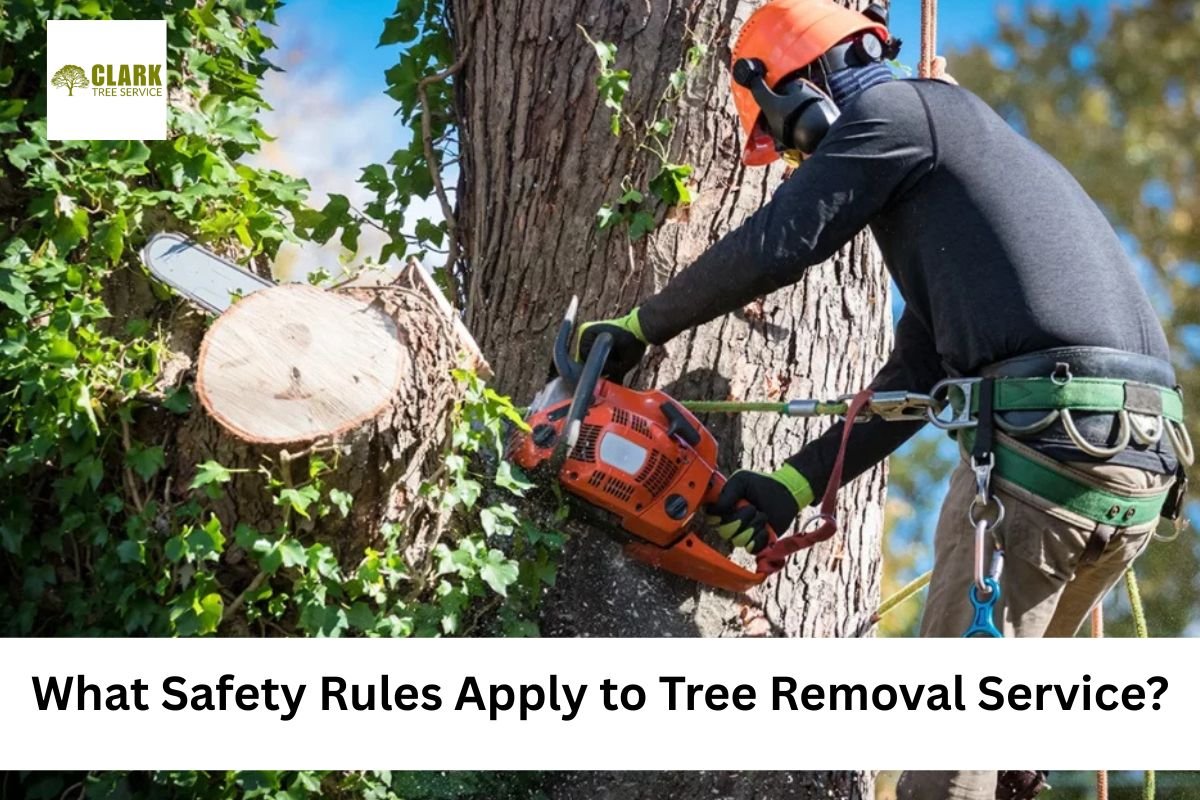
One of the most important safety rules in tree removal is the use of personal protective equipment. Workers are required to wear gear that protects them from falling branches, sharp tools, and flying debris. This includes helmets, safety goggles, gloves, chainsaw-resistant clothing, and steel-toed boots.
Moreover, PPE is not just a recommendation—it is a standard requirement on job sites. Each piece of equipment serves a specific purpose in reducing injury risk. For example, helmets protect against head injuries from falling limbs, while eye protection prevents sawdust and debris from causing damage. Without proper PPE, even routine tasks can become extremely dangerous.
Proper Tree Inspection Before Cutting Begins
Before any tree is removed, professionals conduct a detailed inspection. This includes checking the tree’s height, lean direction, structural condition, and surrounding environment. They also look for signs of decay, pest infestation, or internal weakness that could affect how the tree falls.
In addition, inspectors identify nearby hazards such as buildings, vehicles, fences, and power lines. This step is crucial because it helps determine the safest removal strategy. By understanding the tree’s condition in advance, workers can avoid unexpected collapses or unpredictable movements during the cutting process.
Establishing a Safe Work Zone Around the Tree
Creating a controlled work zone is another essential safety rule. Before any cutting begins, the area around the tree is cleared and restricted to authorized personnel only. This prevents bystanders, pets, and property owners from entering a dangerous zone.
Furthermore, professionals mark a safe distance based on the height of the tree, ensuring that no one stands within the potential fall radius. Warning signs or barriers may also be used to reinforce safety boundaries. This controlled environment reduces the risk of injury from falling branches or equipment operation.
Correct Cutting Techniques and Controlled Felling
Tree removal professionals follow specific cutting techniques to control how the tree falls. One of the most important methods is directional felling, where cuts are made strategically to guide the tree in a safe direction away from structures and hazards.
Additionally, workers use notch and back-cut techniques to maintain control during the fall. These methods ensure the tree does not split unexpectedly or fall in an unsafe direction. Proper cutting technique is essential for preventing accidents and protecting surrounding property during removal.
Safe Use and Maintenance of Equipment
Chainsaws, ropes, cranes, and stump grinders are all commonly used in tree removal services. However, these tools must be handled with strict safety protocols. Workers are trained to operate equipment correctly and perform regular maintenance checks before use.
Moreover, faulty or poorly maintained equipment is never used on job sites. Regular inspections help ensure that chainsaws are sharp, ropes are strong, and machinery is functioning properly. Safe equipment handling reduces the likelihood of mechanical failure and improves overall job safety.
Electrical Hazard Awareness Near Power Lines
One of the most dangerous aspects of tree removal is working near power lines. Trees growing close to electrical wires require extra caution because contact can lead to electrocution or widespread power outages.
Professional tree removal services follow strict rules that require maintaining a safe distance from power lines and, in many cases, coordinating with utility companies before work begins. Special insulated tools and techniques may also be used in high-risk areas. This careful approach helps prevent life-threatening accidents.
Weather Conditions and Work Suspension Rules
Weather plays a major role in tree removal safety. Strong winds, heavy rain, or storms can make tree cutting extremely dangerous. Because trees become unstable in poor weather conditions, professionals often delay or reschedule work when necessary.
Additionally, wet or icy surfaces can increase the risk of slipping or losing equipment control. Safety rules clearly state that tree removal should only be performed under safe and stable weather conditions. This ensures both worker safety and job accuracy.
Communication and Team Coordination on Site
Effective communication is another key safety rule in tree removal operations. Workers use clear signals, verbal instructions, and sometimes radio systems to coordinate their actions during the job. This helps prevent misunderstandings that could lead to accidents.
Furthermore, each team member has a specific role, such as cutting, rope handling, or ground support. Proper coordination ensures that everyone knows their responsibilities and can react quickly if something unexpected happens. Strong communication is essential for maintaining a safe working environment.
Emergency Preparedness and Response Planning
Even with strict safety rules, emergencies can still occur. That’s why tree removal services always have an emergency response plan in place. This includes first aid kits, trained personnel, and clear procedures for handling injuries or accidents.
In addition, teams are trained to respond quickly to unexpected situations such as falling branches or equipment failure. Having a prepared plan ensures that risks are managed effectively and helps reduce the severity of any incidents that may occur during the job.
Final Thoughts on Tree Removal Safety Rules
Tree removal is a highly skilled and high-risk job that requires strict safety rules at every stage. From wearing protective gear and inspecting trees to managing equipment and avoiding power line hazards, each rule plays a vital role in preventing accidents. Professional tree removal services follow these standards not only to protect their workers but also to safeguard property and the surrounding environment. By understanding these safety practices, homeowners can better appreciate the complexity of tree removal and the importance of hiring trained experts. Ultimately, safety is not just a guideline—it is the foundation of every successful tree removal project.
FAQs
1. What are the most important safety rules in tree removal?
The most important rules include wearing proper PPE, inspecting the tree before cutting, establishing a safe work zone, using correct cutting techniques, and avoiding work near power lines without precautions.
2. Why is PPE necessary in tree removal work?
Personal protective equipment (PPE) protects workers from falling branches, chainsaw injuries, flying debris, and head or eye damage. It is a mandatory safety requirement on all professional job sites.
3. Is tree removal near power lines dangerous?
Yes, it is extremely dangerous. Contact with power lines can cause electrocution or outages. Professionals follow strict rules and often coordinate with utility companies before working near electrical wires.
4. How do professionals prevent accidents during tree removal?
They use careful planning, proper tree inspection, controlled cutting techniques, communication among team members, and strict safety zones to reduce risks during the entire process.