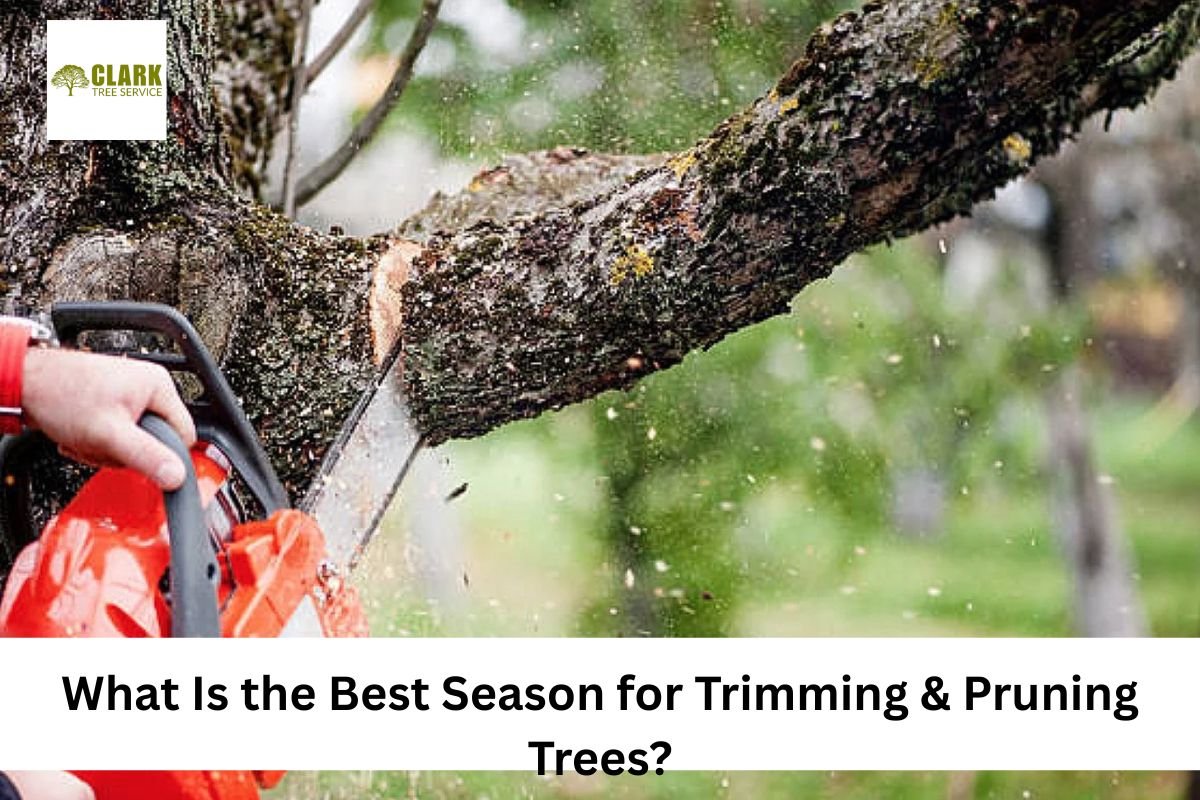
Tree trimming and pruning are essential for keeping your landscape healthy, safe, and visually appealing. But timing matters more than most homeowners realize. Cutting branches at the wrong time of year can stress trees, slow growth, or even make them more vulnerable to disease and pests. On the other hand, pruning at the right season encourages strong structure, better airflow, and improved long-term health. Whether you’re maintaining shade trees, fruit trees, or ornamental varieties, understanding seasonal timing helps you get the best results. In this guide, we’ll break down the ideal seasons for pruning, what works best for different tree types, and when you should avoid cutting altogether.
Why Timing Matters for Tree Trimming and Pruning?

Timing plays a major role in how a tree responds to pruning. When done correctly, pruning helps remove dead or weak branches, improves sunlight exposure, and encourages healthier growth patterns. However, if you trim at the wrong time, you can interrupt the tree’s natural growth cycle and cause unnecessary stress.
Additionally, improper timing can expose trees to pests and diseases. Fresh cuts act like open wounds, and certain seasons increase the risk of infection. That’s why professionals always consider the season before making any cuts. Understanding the timing helps ensure your trees recover quickly and continue growing strong throughout the year.
Winter: The Best Overall Season for Most Trees
Winter is widely considered the best season for trimming and pruning most trees. During this time, trees enter a dormant phase, meaning their growth slows down significantly. Without active growth, pruning becomes less stressful for the tree and reduces the risk of shock.
Moreover, winter pruning makes it easier to see the tree’s structure clearly since the leaves have fallen. This allows for more precise cuts and better shaping. It also minimizes the chance of pest infestations because most insects are inactive during cold weather. As a result, winter is often the preferred season for both safety and long-term tree health.
Spring Pruning: Encouraging Healthy New Growth
Spring pruning can be beneficial, but it must be done carefully. This season is when trees begin to grow actively, producing new leaves and branches. Light pruning during this time can help guide growth, remove winter damage, and improve overall structure.
However, heavy pruning in spring should generally be avoided. Cutting too much during active growth can weaken the tree and reduce its ability to produce energy through photosynthesis. Still, for certain species and minor maintenance, spring pruning can support healthy development and prepare trees for the growing season ahead.
Summer Pruning: Managing Shape and Controlling Growth
Summer pruning is often used for controlling excessive growth and improving the shape of trees. Since trees are fully leafed out during this season, it becomes easier to identify overcrowded branches and weak growth patterns.
In addition, summer pruning helps slow down overly vigorous growth, especially in fast-growing species. It is also useful for removing damaged or diseased branches quickly before problems spread. However, because trees are actively using energy in summer, pruning should be moderate to avoid unnecessary stress.
Fall Pruning: Why It’s Generally Avoided
Fall is usually not the best time for pruning trees. As temperatures drop, trees begin preparing for dormancy, and cutting them during this transition can interfere with their natural recovery process. Fresh cuts may not heal properly before winter sets in.
Furthermore, fall pruning can increase the risk of fungal infections and decay. Moist conditions combined with falling temperatures create an environment where diseases can spread more easily. For this reason, professionals typically recommend limiting pruning during the fall unless it’s for emergency removal of damaged branches.
Species-Specific Pruning Timing
Not all trees follow the same pruning schedule. Different species have different growth patterns, which means timing may vary. For example, flowering trees often need to be pruned right after they bloom to avoid cutting off next season’s flowers.
Similarly, fruit trees are usually pruned during late winter to encourage better fruit production in spring and summer. Evergreen trees, on the other hand, can tolerate light pruning at different times of the year but still benefit most from winter or early spring trimming. Understanding your tree species helps ensure better results and healthier growth.
Weather Conditions and Their Impact on Pruning
Beyond seasons, weather conditions also play an important role in tree trimming. Ideal pruning is done during dry weather because wet conditions can spread disease more easily through fresh cuts. Moisture allows bacteria and fungi to enter exposed wood, increasing the risk of infection.
Additionally, extremely cold or stormy weather should be avoided for safety reasons. High winds or icy conditions make pruning dangerous for both trees and workers. That’s why professionals always choose stable, dry days for trimming to ensure both safety and effectiveness.
Why Professional Tree Pruning Makes a Difference?
While some homeowners attempt DIY pruning, professional tree services bring expertise that ensures proper timing, technique, and safety. Experts understand how different trees respond to seasonal changes and can determine the best approach for each situation.
Moreover, professionals use specialized equipment to make clean cuts that heal faster. They also identify hidden issues like disease, pest damage, or structural weaknesses that may not be obvious to untrained eyes. Hiring a tree trimming service ensures your landscape stays healthy and well-maintained year-round.
Final Thoughts
The best season for trimming and pruning trees largely depends on the tree type and your goals, but winter remains the most universally recommended time. It allows for safe, effective cuts while minimizing stress and disease risk. Spring and summer also offer specific benefits, especially for shaping and controlling growth, while fall is generally best avoided. By understanding seasonal timing and working with professional arborists when needed, you can ensure your trees stay strong, healthy, and beautiful throughout the year. Proper pruning at the right time is not just maintenance—it’s long-term care for your entire landscape.