Tree removal near buildings is one of the most challenging tasks in the tree care industry. Unlike removing a tree in an open field, working close to homes, garages, offices, fences, or utility structures requires precision, planning, and specialized equipment. Property owners often worry about potential damage to their buildings, landscaping, and surrounding structures during the removal process. Fortunately, professional tree removal experts follow proven methods to ensure safety and efficiency throughout the project.
Whether a tree has become diseased, storm-damaged, leaning dangerously, or outgrown its location, removing it safely requires experience and technical expertise. Professionals evaluate every detail before making the first cut, including the tree’s condition, height, surrounding obstacles, and weather conditions. Their goal is to protect people, property, and the environment while completing the job efficiently. Understanding how experts approach tree removal near buildings can help homeowners appreciate the value of hiring qualified professionals rather than attempting risky DIY solutions.
Why Tree Removal Near Buildings Requires Specialized Expertise
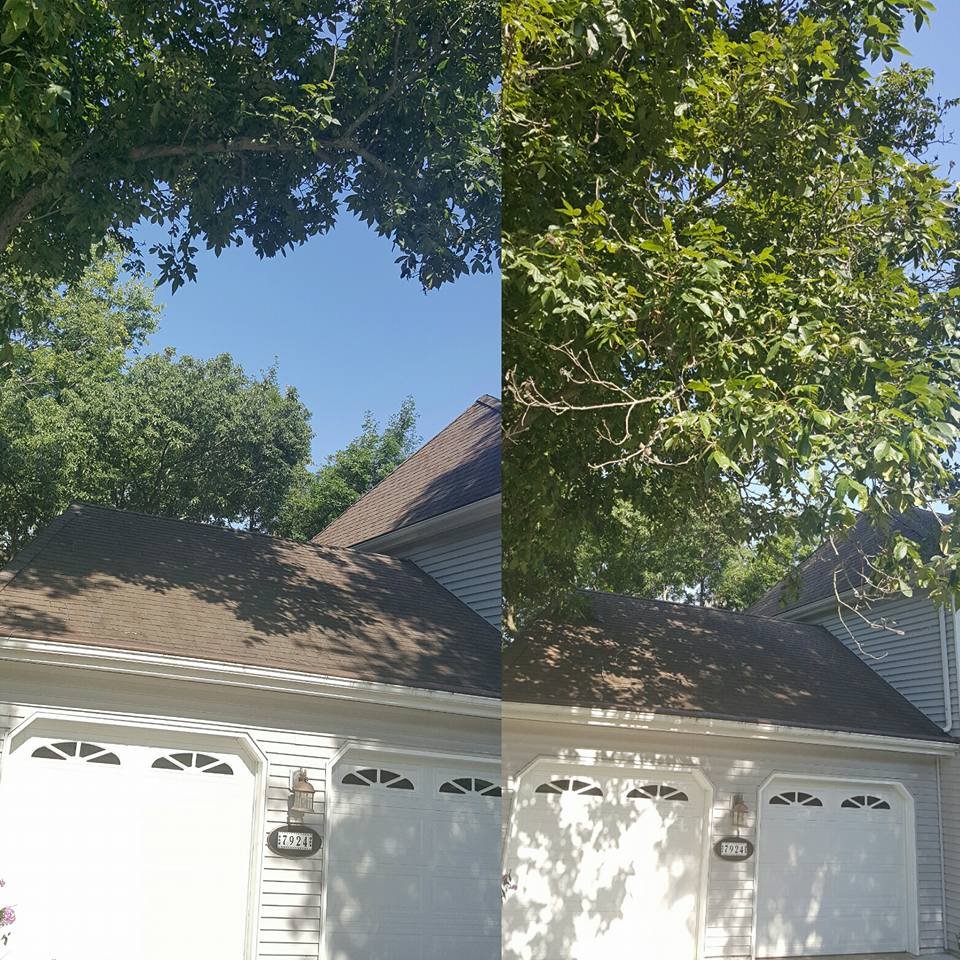
Trees growing close to structures create unique challenges that demand careful planning and execution. A large tree can weigh several tons, and even a small mistake during removal can result in costly property damage. Professionals understand how to assess risks and develop customized removal strategies based on each property’s layout.
Additionally, buildings often limit available space for safely dropping branches and trunk sections. This means tree care specialists must dismantle the tree piece by piece rather than fell it in a single direction. Using advanced rigging systems, ropes, cranes, and climbing techniques, they control every movement of the tree throughout the process. Their expertise significantly reduces the risk of accidents and structural damage.
Conducting a Thorough Site Assessment Before Removal
Before beginning any tree removal project, professionals perform a detailed site inspection. This assessment helps them identify potential hazards and determine the safest removal method. They evaluate the tree’s health, structural stability, height, lean angle, and proximity to nearby buildings.
During the inspection, experts also look for obstacles such as power lines, fences, driveways, landscaping features, and neighboring properties. They consider soil conditions and weather forecasts because these factors can affect the removal process. By gathering comprehensive information beforehand, tree removal professionals create a strategic plan that minimizes risks and ensures a smooth operation from start to finish.
Creating a Customized Tree Removal Plan
Every tree removal project near a building requires a tailored approach. Once the assessment is complete, professionals develop a detailed removal plan that outlines each step of the process. This plan includes equipment requirements, crew responsibilities, safety measures, and debris management procedures.
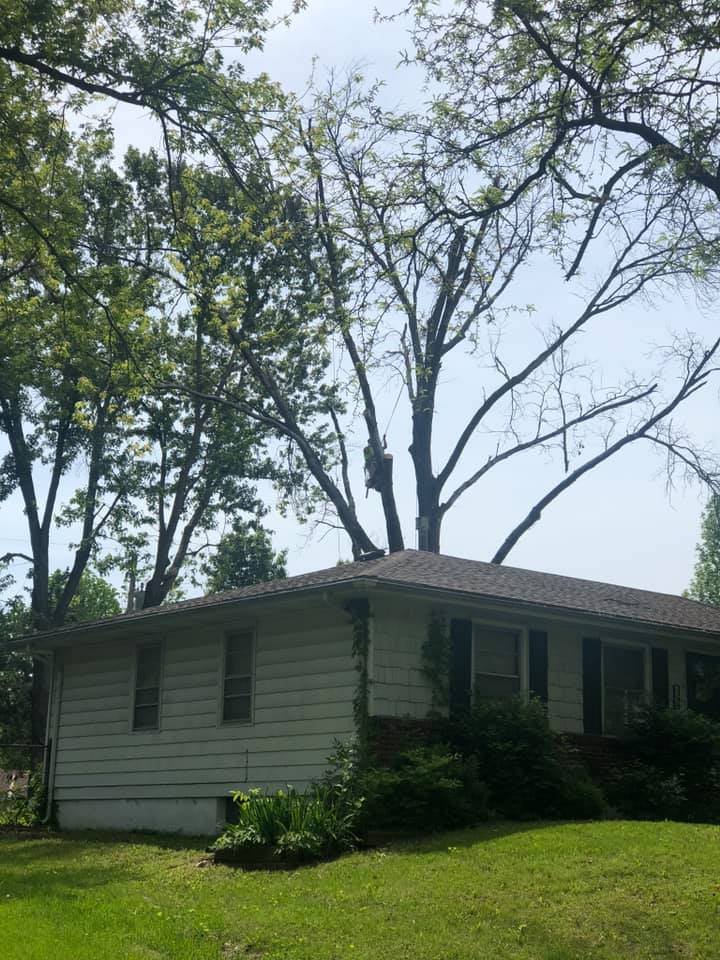
The removal strategy often depends on the tree’s size and location. For example, a tree leaning toward a house may require sectional dismantling using ropes and rigging systems. In contrast, a tree with limited access may need crane-assisted removal. Careful planning allows crews to anticipate challenges and maintain complete control over every stage of the project.
Using Advanced Equipment to Ensure Safety
Professional tree removal companies invest in specialized equipment designed specifically for challenging removals near structures. This equipment improves efficiency while significantly reducing the risk of property damage. Modern tools allow arborists to remove trees safely even in tight spaces.
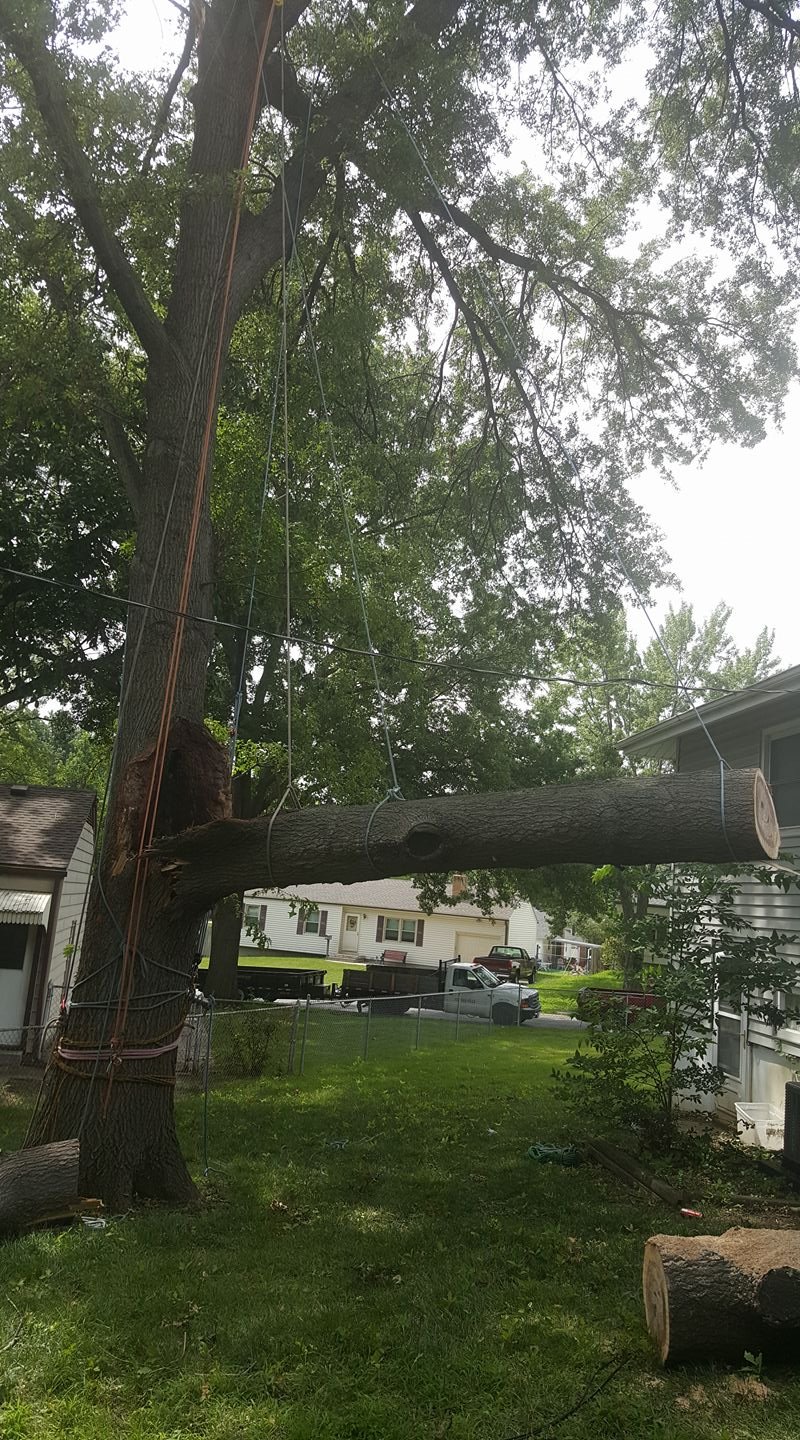
Common equipment includes aerial lifts, climbing gear, chainsaws, rigging systems, cranes, wood chippers, and stump grinders. Rigging systems are especially important because they enable workers to lower branches and trunk sections gradually rather than allowing them to fall freely. This controlled process protects roofs, windows, vehicles, and landscaping throughout the removal operation.
How Arborists Remove Trees Piece by Piece
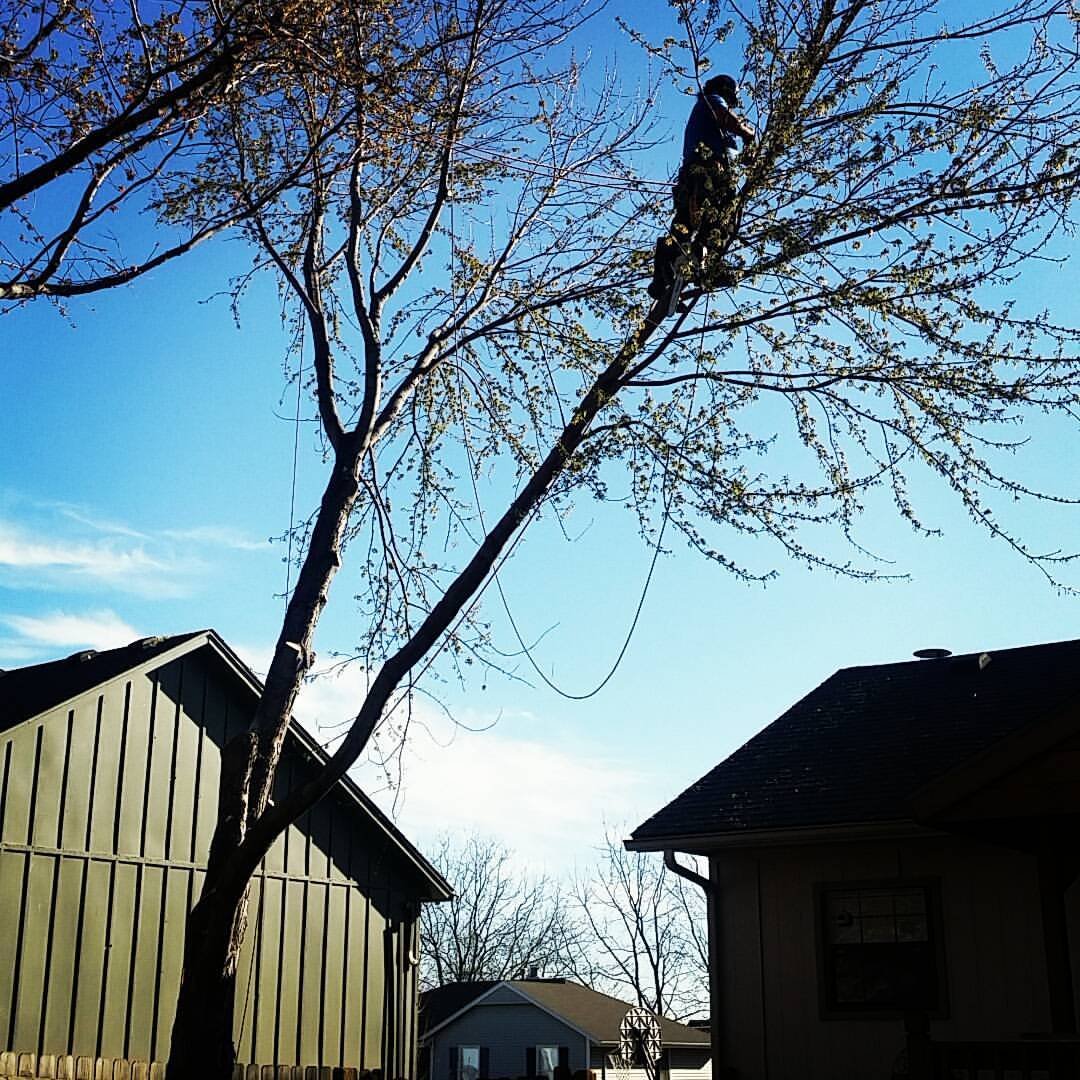
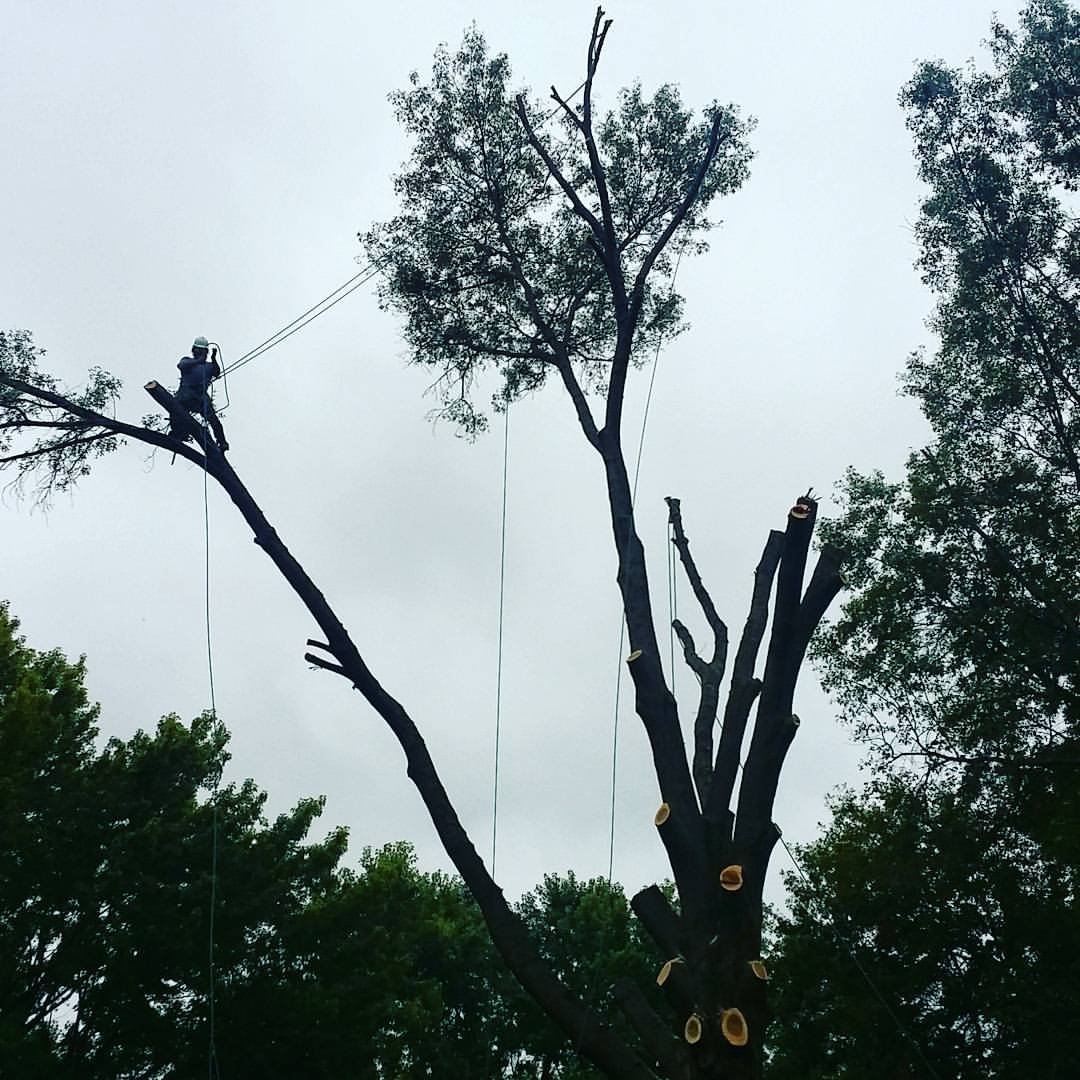
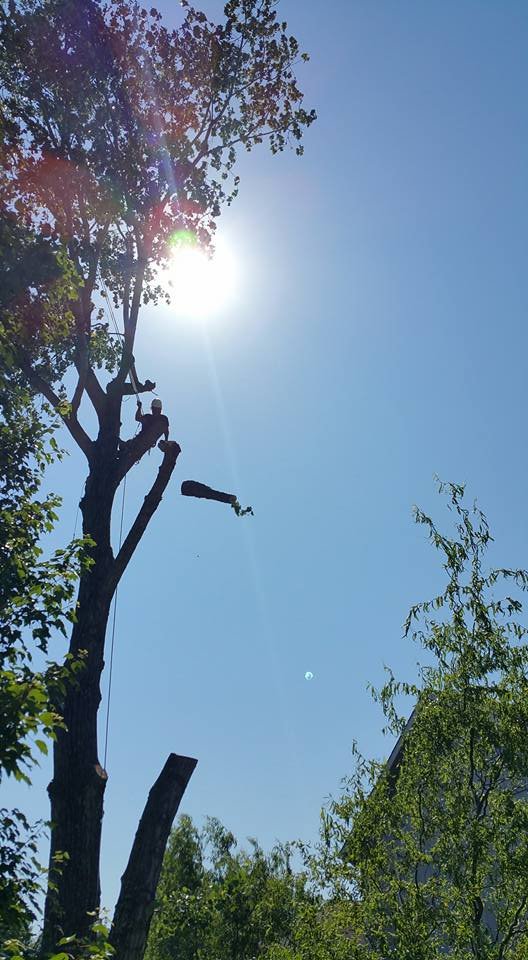
One of the safest methods for removing trees near buildings is sectional dismantling. Instead of cutting down the entire tree at once, arborists carefully remove branches and trunk segments in stages. This approach provides maximum control and minimizes potential hazards.
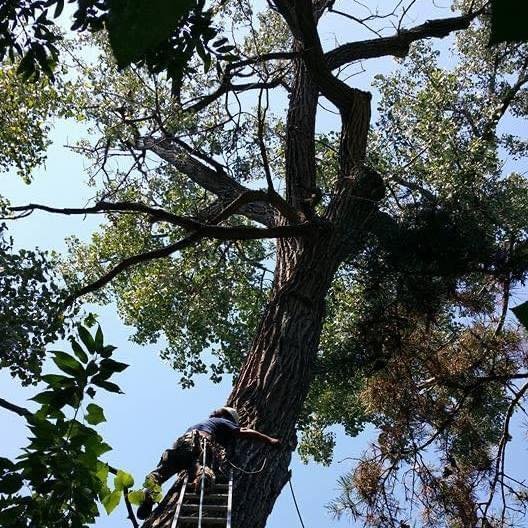
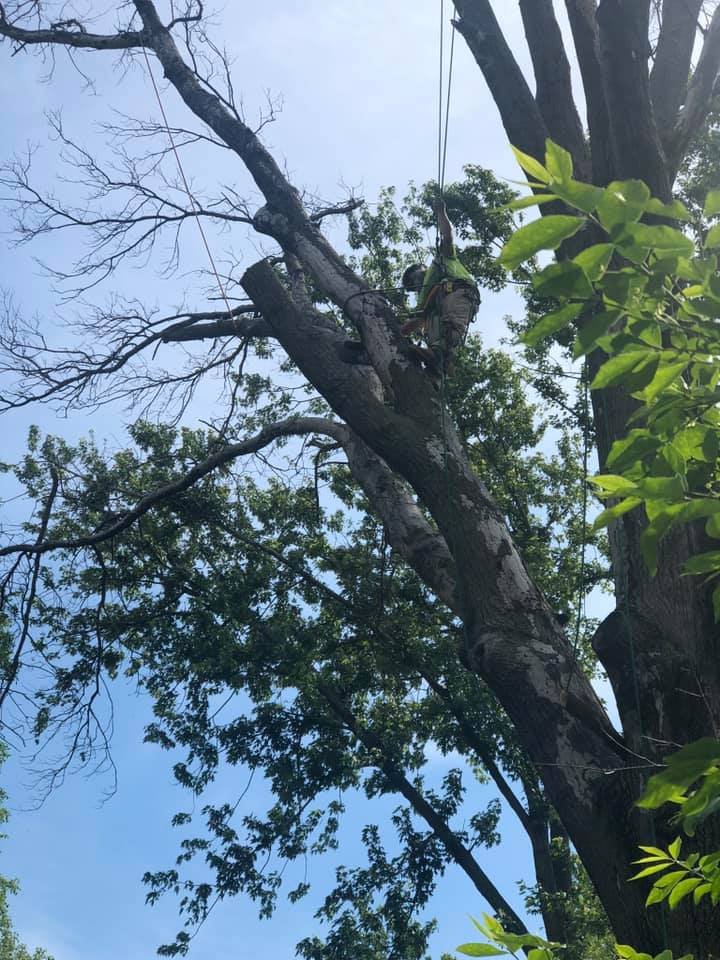
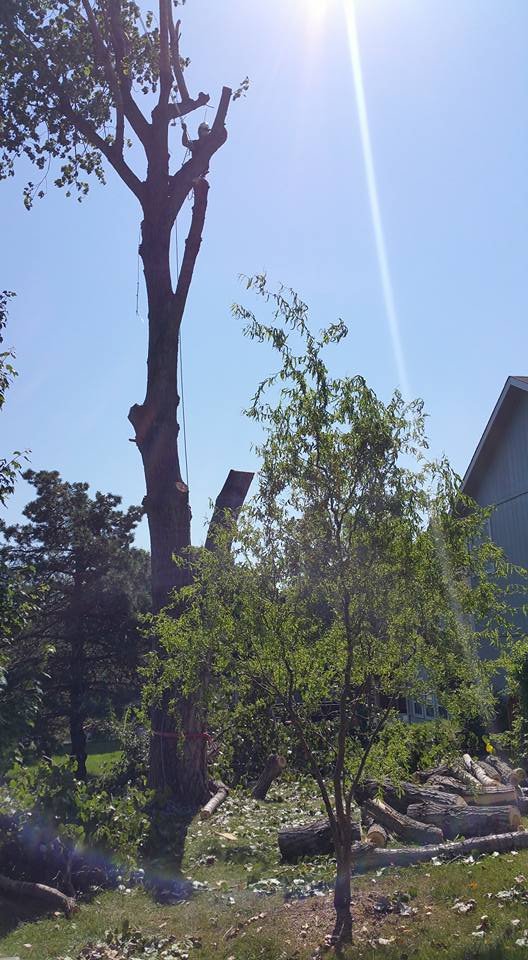
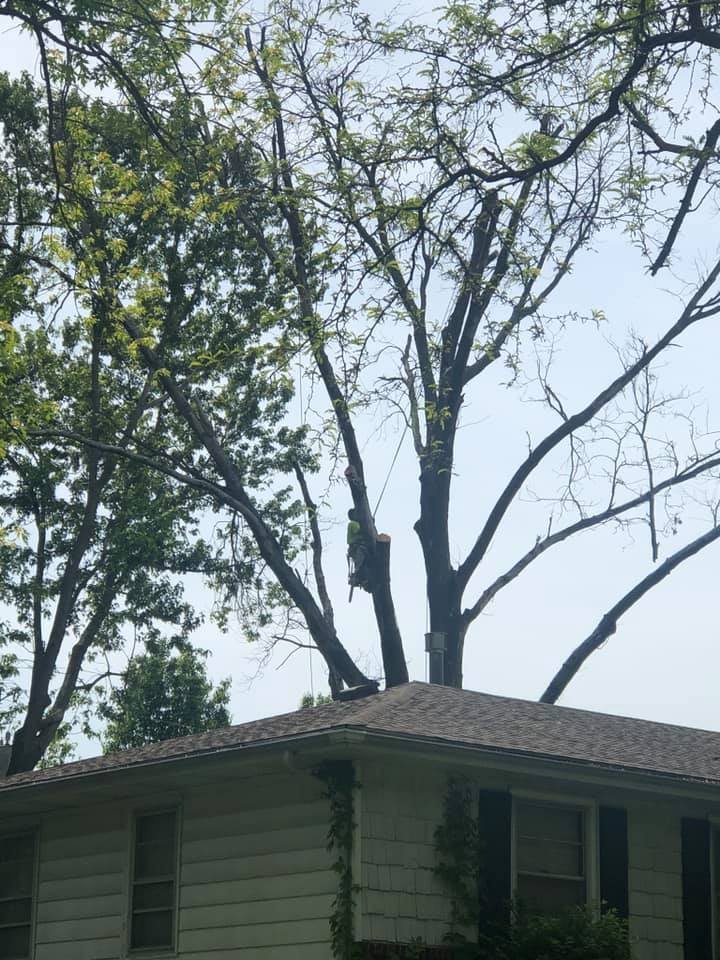
The process typically begins with removing the upper branches. Climbers secure themselves using safety harnesses and ropes while cutting manageable sections. Ground crews use rigging equipment to guide each piece safely to the ground. Once the canopy is removed, the trunk is cut into smaller sections and lowered systematically. This method ensures that no large portions of the tree impact nearby structures.
Managing Risks Around Homes and Commercial Properties
Risk management is a critical part of professional tree removal services. Experts understand that even a healthy tree can become dangerous during removal if proper precautions are not taken. Therefore, they implement multiple layers of protection before work begins.
Safety zones are established around the work area to keep residents, pedestrians, and vehicles away from potential hazards. Crew members wear personal protective equipment and maintain constant communication throughout the project. Additionally, professionals use industry-approved safety standards and follow local regulations to ensure compliance. These measures help prevent accidents while protecting both workers and property owners.
Protecting Landscaping and Outdoor Features
Many homeowners worry that tree removal will damage their lawns, gardens, patios, or decorative landscaping. Professional tree removal companies take extensive steps to preserve outdoor features during the project. They understand that protecting the property’s appearance is just as important as removing the tree itself.
To minimize impact, crews use plywood mats, ground protection systems, and designated equipment pathways. Branches are lowered carefully rather than dropped, reducing the chance of damage to flower beds and shrubs. After the removal is complete, debris is thoroughly cleaned up, leaving the property neat and presentable. This attention to detail helps maintain the overall beauty and value of the landscape.
The Role of Crane-Assisted Tree Removal
In situations where trees are extremely large or located in difficult-to-access areas, crane-assisted removal may be the safest solution. Cranes allow professionals to lift large sections of the tree directly away from buildings and surrounding obstacles.
This method is particularly effective for trees growing between structures or near valuable property features. The crane operator works closely with the arborist to secure each section before it is cut. Once detached, the piece is carefully lifted and transported to a designated drop zone. Crane-assisted tree removal enhances safety, improves efficiency, and often reduces project completion time.
What Happens After the Tree Is Removed?
The work does not end once the tree is on the ground. Professional tree removal companies typically provide comprehensive cleanup services to restore the property’s appearance. Branches are chipped, logs are removed or processed, and debris is cleared from the site.
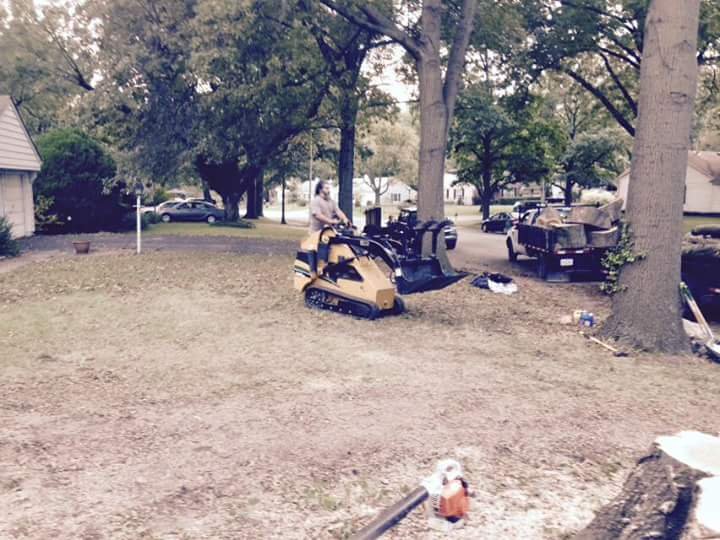
Many homeowners also choose stump grinding services after tree removal. Removing the stump eliminates tripping hazards, prevents pest infestations, and creates usable space for future landscaping projects. Additionally, professionals may provide recommendations for soil restoration and replacement tree planting if desired. These post-removal services help property owners maximize the long-term benefits of the project.
Why Hiring Professionals Is the Smart Choice
Attempting tree removal near buildings without proper training can be extremely dangerous. DIY efforts often lead to injuries, property damage, and unexpected expenses. Professional arborists possess the knowledge, experience, and equipment needed to complete the job safely and efficiently.
Beyond safety, hiring experts provides peace of mind. Reputable tree removal companies carry insurance coverage, follow industry standards, and use proven techniques that protect your investment. Their ability to assess risks, execute precise removals, and handle cleanup makes them the most reliable choice for challenging tree removal projects near homes and commercial structures.
Wrap-Up
Tree removal near buildings requires far more than simply cutting down a tree. It involves careful planning, detailed risk assessments, specialized equipment, and skilled execution. Professional tree removal experts understand the complexities of working around homes, garages, commercial buildings, and other structures. Through sectional dismantling, advanced rigging systems, crane-assisted techniques, and strict safety protocols, they maintain complete control throughout the process.
Hiring experienced professionals helps protect your property, reduce liability risks, and ensure the project is completed efficiently. From the initial inspection to final cleanup, every step is designed to safeguard people and structures while delivering excellent results. When a tree poses a threat or no longer fits your landscape, trusting qualified experts is the safest and most effective solution for successful tree removal near buildings.
Frequently Asked Questions
How close can a tree be to a house before removal becomes necessary?
There is no universal distance requirement. However, trees with roots affecting foundations, branches touching roofs, or signs of structural instability should be evaluated by a professional arborist.
Do professionals need special equipment to remove trees near buildings?
Yes. Tree removal experts often use ropes, rigging systems, cranes, aerial lifts, chainsaws, and safety equipment to safely remove trees in confined spaces.
How long does tree removal near a building typically take?
The timeline depends on the tree’s size, condition, and location. Small projects may take a few hours, while larger or more complex removals can require a full day or longer.
Can tree removal damage my landscaping?
Professional crews take precautions to protect landscaping through controlled branch lowering, ground protection systems, and strategic equipment placement, minimizing potential damage.